
Atheas
Champion, 1898
lace bugs
Species Guides
5Atheas is a of lace bugs (Hemiptera: Tingidae) comprising approximately 15 described . These insects are characterized by their distinctive reticulated, lace-like forewings typical of the . The genus is primarily associated with wetland and swamp in North America, with Atheas austroriparius being the best-studied species. Members feed on phloem sap from a diverse range of woody plants using .
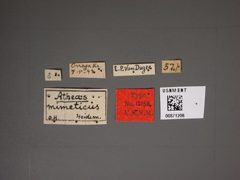
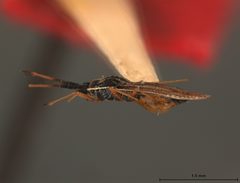
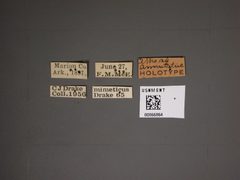
Pronunciation
How to pronounce Atheas: /ˈæ.θiː.əs/
These audio files are automatically generated. While they are not always 100% accurate, they are a good starting point.
Images
Habitat
Wetland forests, particularly bald cypress-gum (Taxodium-Nyssa) swamps and similar saturated, forested environments. Associated with standing water or seasonally flooded conditions in the southeastern United States coastal plain.
Distribution
Southeastern United States, from North Carolina south to Florida and west to Louisiana, concentrated in Atlantic and Gulf coastal plain regions.
Seasonality
overwinter and become active in spring. Multiple per year occur, with development from to adult taking approximately 30-40 days under favorable conditions. Activity extends through the growing season in warmer parts of the range.
Diet
Phloem-feeding on plant sap using .
Host Associations
- Nyssa aquatica - water tupelo
- Nyssa sylvatica - black tupelo
- Nyssa ogeche - Ogeechee tupelo
- Taxodium distichum - bald cypress
- Liquidambar styraciflua - sweetgum
- Quercus nigra - water oak
- Quercus laurifolia - laurel oak
- Quercus virginiana - live oak
- Persea borbonia - redbay
- Persea palustris - swamp bay
- Gordonia lasianthus - loblolly bay
- Ilex cassine - dahoon holly
- Myrica cerifera - wax myrtle
- Salix nigra - black willow
- Cephalanthus occidentalis - buttonbush
- Planera aquatica - water elm
- Viburnum nudum - possumhaw
- Viburnum obovatum - small-leaf viburnum
- Cornus foemina - stiff dogwood
- Fraxinus caroliniana - Carolina ash
- Fraxinus profunda - pumpkin ash
- Gelsemium sempervirens - yellow jessamine
- Smilax spp. - greenbriers
- Vitis rotundifolia - muscadine grape
- Rubus spp. - blackberries
- Ampelopsis arborea - peppervine
- Parthenocissus quinquefolia - Virginia creeper
Life Cycle
Overwinters as . laid singly or in small groups on undersides of plant leaves, often along or in depressions, sometimes covered with dark or cemented in place. Five nymphal instars before adult .
Behavior
and nymphs feed on leaf undersides, producing characteristic yellow stippling and chlorotic spots visible on upper leaf surfaces. Nymphs carry cast skins and on their backs. Both life stages produce dark pellets. Adults seek sheltered locations in leaf litter for .
Ecological Role
Herbivore in wetland forest . Contributes to leaf damage and potentially to nutrient cycling in swamp . May function as a pest of ornamental and native Nyssa in cultivated settings.
Human Relevance
Potential pest of ornamental tupelo and related wetland trees. Documented range includes economically and ecologically significant tree in southeastern U.S. wetlands.
Similar Taxa
- LeptoyphaBoth are tingid lace bug with reticulated forewings; distinguished by associations and subtle morphological differences in wing venation patterns and body proportions.
- CorythuchaLarger and more commonly encountered lace bug ; Atheas typically smaller with more delicate reticulation and restricted to wetland versus broader habitat of many Corythucha.
More Details
Taxonomic note
Approximately 15 described in the ; Atheas austroriparius is the most thoroughly documented, with detailed stage descriptions and studies available.
Research limitation
Most detailed biological information derives from studies of A. austroriparius; other in the lack comparable documentation of and associations.