
Semiini
plant bugs
Genus Guides
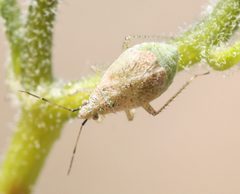
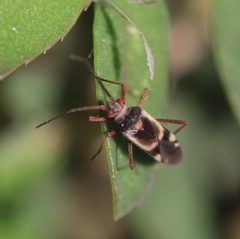
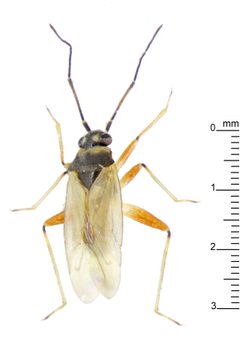
5Semiini is a tribe of plant bugs within the Phylinae of the Miridae (Hemiptera). The tribe comprises more than 30 distributed across multiple continents. Some members exhibit specialized -plant associations, including the Australian genus Restiophylus, which is uniquely associated with the plant family Restionaceae. The tribe has been subject to taxonomic revision and phylogenetic analysis to clarify relationships within Phylinae.
Pronunciation
How to pronounce Semiini: /sɛˈmiː.ɪ.naɪ/
These audio files are automatically generated. While they are not always 100% accurate, they are a good starting point.
Identification
Members of Semiini are distinguished within Phylinae by tribal-level morphological characters used in phylogenetic analysis. The Restiophylus can be identified by its association with Australian Restionaceae and distinctive male genitalia. The genus Semium is distinguished by -specific characters documented in identification keys; Semium brailovskyi is characterized by color habitus and male genitalia structure.
Images
Distribution
Semiini has a broad geographic distribution spanning multiple continents. The Restiophylus is documented from Western Australia. The genus Semium includes from Baja California Norte, Mexico (S. brailovskyi) and other regions.
Host Associations
- Restionaceae - plantassociation documented for Restiophylus in Western Australia
- Euphorbia misera (Euphorbiaceae) - plantspecific to Semium brailovskyi in Baja California Norte, Mexico
Similar Taxa
- Other Phylinae tribesdistinguished by tribal-level morphological characters and phylogenetic relationships; specific diagnostic features require examination of male genitalia and other structural characters
More Details
Taxonomic research
Recent taxonomic work has expanded the known diversity of Semiini, including the description of the new Restiophylus from Australia (Leon & Weirauch) and the new Semium brailovskyi from Mexico. These studies provide identification keys and distribution maps for included .
Host plant specificity
Restiophylus are currently the only documented arthropods with close association to the Australian restiid clade (Poales), indicating a specialized ecological relationship within this tribe.