
Compsidolon
Reuter, 1900
Species Guides
1Compsidolon is a of plant bugs in the Miridae, established by Reuter in 1900. The genus contains more than 60 described . Members are classified within the suborder Heteroptera and infraorder Cimicomorpha. As true bugs, they possess characteristic of the order Hemiptera.
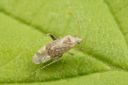
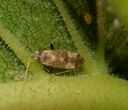
Pronunciation
How to pronounce Compsidolon: /kəmpsɪˈdoʊlən/
These audio files are automatically generated. While they are not always 100% accurate, they are a good starting point.
Identification
Compsidolon can be recognized as mirid plant bugs by the combination of a (a triangular section of the ) and the presence of an ocellar triangle on the . Generic-level identification requires examination of male genitalia and other detailed morphological features not visible in field observations. Species-level identification is challenging and typically requires taxonomic knowledge.
Images
Distribution
Distribution records from GBIF indicate presence in Denmark (DK), Norway (NO), and Sweden (SE). The likely has a broader distribution given its , but specific range data for the genus as a whole is limited.
Ecological Role
As plant bugs in the Miridae, members of Compsidolon are presumed to be plant-feeding, but specific ecological roles have not been documented at the level.
Similar Taxa
- Other Miridae generaCompsidolon shares the diagnostic features of Miridae (, four-segmented , ocelli) with numerous other . Differentiation requires detailed morphological study.
More Details
Taxonomic history
The authority is cited as Reuter, 1900 (GBIF) or Reuter, 1899 (NCBI), reflecting minor discrepancies in taxonomic databases. The genus is well-established with over 60 described .
Data limitations
Most information about Compsidolon is limited to taxonomic catalog entries. Biological and ecological data for the as a whole is sparse in published literature.