
Aphetea
Fowler, 1895
Species Guides
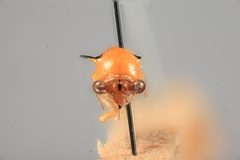
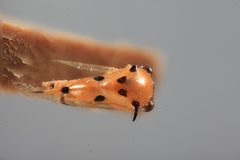
1Aphetea is a of treehoppers in the Membracidae, containing seven described . One species, Aphetea bicolor, has five recognized . The genus was established by Fowler in 1895 and is classified within the tribe Polyglyptini of the Smiliinae. Species are distributed across the Neotropical region.
Pronunciation
How to pronounce Aphetea: /æfˈiːtiə/
These audio files are automatically generated. While they are not always 100% accurate, they are a good starting point.
Identification
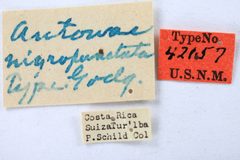
Aphetea can be distinguished from other Polyglyptini by features of the pronotum, though specific diagnostic characters require examination of . The genus includes both relatively unornamented species (e.g., A. inconspicua) and those with more developed pronotal projections. Accurate identification to species level typically requires reference to original descriptions and comparison with type material.
Images
Distribution
Neotropical region. Specific country records include Brazil, Rica, and other Central and South American localities based on specimen records and observations.
Similar Taxa
- Other Polyglyptini generaShare tribal classification and may exhibit similar pronotal ; precise differentiation requires detailed morphological study
- Other Smiliinae generaBelong to same and may overlap in general body plan; tribal placement distinguishes Aphetea
More Details
Species diversity
The contains seven : A. bicolor (with five : bicolor, curvata, flava, notata, strigata), A. inconspicua, A. maculata, A. nigropicta, A. parvula, A. punctata, and A. robustula. The high number of subspecies in A. bicolor suggests either considerable intraspecific variation or a complex of closely related forms.
Taxonomic history
A. parvula was originally described by Fabricius in 1803 under a different (Centrotus), indicating long recognition of this lineage. Most other species were described in the early-to-mid 20th century, with A. robustula being the most recently described (Sakakibara, 1996).