
Anisostylus
Caldwell, 1949
Species Guides
3Anisostylus is a of treehoppers in the Membracidae, tribe Ceresini, first described by Caldwell in 1949. As members of the Smiliinae, these insects possess the enlarged pronotum characteristic of membracids, though specific morphological details distinguishing this genus remain poorly documented in accessible literature. The genus is represented by limited observations, with only 15 records on iNaturalist as of the source data. Anisostylus , like other treehoppers, are presumed to feed on plant phloem sap using .
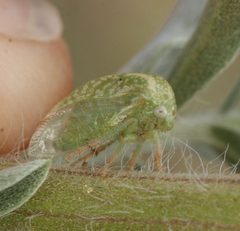
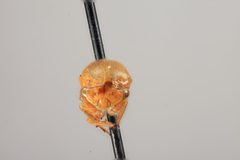
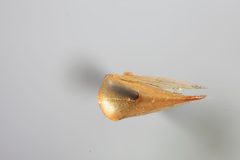
Pronunciation
How to pronounce Anisostylus: //əˌnaɪsoʊˈstaɪləs//
These audio files are automatically generated. While they are not always 100% accurate, they are a good starting point.
Identification
Members of Anisostylus can be distinguished from other Ceresini by features of the pronotum and genitalia, though specific diagnostic characters require examination of original taxonomic descriptions. The genus is separated from closely related genera such as Ceresa by structural differences in the pronotal shape and male genitalia, as established in Caldwell's 1949 revision. Accurate identification to level requires knowledge and microscopic examination.
Images
Distribution
The has been recorded from the Neotropical region, though precise country-level distribution data is not available in the provided sources. The limited iNaturalist observations suggest occurrence in the Americas, consistent with the distribution of related Ceresini genera.
Similar Taxa
- CeresaBoth belong to tribe Ceresini and share general membracid body plan with enlarged pronotum; Anisostylus differs in pronotal structure and male genitalia as defined by Caldwell (1949)
- EntyliaAnother Ceresini with superficially similar habitus; distinguished from Anisostylus by pronotal and genitalic characters in original description
More Details
Taxonomic history
Established by J.S. Caldwell in 1949 as part of his revision of New World treehoppers. The has received limited subsequent taxonomic attention, and -level diversity remains poorly characterized.
Data limitations
Minimal biological information is available for this in public databases. Most standard fields cannot be populated without accessing primary taxonomic literature or specimen data not referenced in the provided sources.