
Platycentrus
Stål, 1869
Species Guides
2Platycentrus is a of treehoppers in the Membracidae, Centrotinae, and tribe Platycentrini. The genus was established by Stål in 1869 and contains at least three described : P. acuticornis, P. obtusicornis, and P. brevicornis. These species have been recorded from Mexico and the southwestern United States (California). As members of the primitive subfamily Centrotinae, they are characterized by an exposed scutellum, unlike most other membracid subfamilies where the pronotum covers this structure.
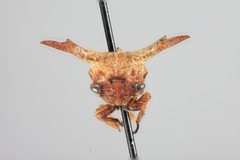
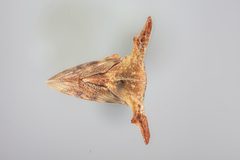

Pronunciation
How to pronounce Platycentrus: //ˌplæt.aɪˈsɛn.trəs//
These audio files are automatically generated. While they are not always 100% accurate, they are a good starting point.
Identification
Platycentrus can be distinguished from other Centrotinae by features of the pronotum and . Based on species epithets, the likely exhibits variation in horn or projection (acuticornis = sharp-horned, obtusicornis = blunt-horned, brevicornis = short-horned). As Centrotinae, they possess an exposed scutellum, which separates them from most other . The tribe Platycentrini also includes the genus Tylocentrus, which differs in pronotal structure.
Images
Distribution
Mexico (Oaxaca, Puebla) and southwestern United States (California). Records include: P. acuticornis and P. obtusicornis from Mexico; P. brevicornis from California.
Similar Taxa
- TylocentrusAlso placed in tribe Platycentrini; distinguished by reticulate pronotal surface (T. reticulatus)
- CampylocentrusAnother Centrotinae with exposed scutellum, but placed in tribe Boocerini; differs in pronotal and genitalic
More Details
Taxonomic note
The name Platycentrus is a homonym of Campylocentrus, a genus of Neotropical orchids (Orchidaceae). of plants and animals are governed by separate codes (ICN and ICZN), which recommend but do not prohibit such inter-code homonyms.