
Iassus
Fabricius, 1803
Species Guides
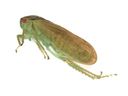
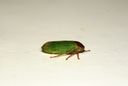
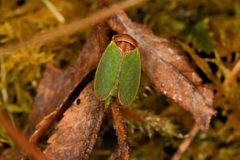
1- Iassus lanio(oak leafhopper)
Iassus is a of leafhoppers (Cicadellidae) comprising over 35 described , primarily distributed in Europe. Species in this genus are associated with forest and exhibit specialized feeding relationships with plants. The genus is notable for its complex microbiome, including obligate bacterial and fungal that supplement nutrient-poor phloem-sap diets.
Pronunciation
How to pronounce Iassus: //ˈjas.us//
These audio files are automatically generated. While they are not always 100% accurate, they are a good starting point.
Images
Habitat
Forest interiors and forest margins. such as Iassus lanio are specifically associated with oak-dominated woodland environments.
Distribution
Europe. Distribution records include Denmark, Norway, and Sweden; the is primarily European in distribution with often recorded as local and in low numbers.
Diet
Phloem-sap. Iassus lanio is second-degree monophagous, feeding specifically on oaks (Quercus robur and Quercus petraea).
Host Associations
- Quercus robur - plantfood source for Iassus lanio
- Quercus petraea - plantfood source for Iassus lanio
- Karelsulcia - obligate endosymbiontancient Auchenorrhyncha bacterial housed in specialized bacteriomes; transmitted transovarially
- Ophiocordyceps - obligate endosymbiontyeast-like fungal inhabiting mycetocytes within the ; transmitted transovarially
- Sodalis - facultative endosymbiontdetected in
- Wolbachia - facultative endosymbiontdetected in
- Cardinium - facultative endosymbiontdetected in
Ecological Role
in this function as phloem-feeding herbivores in forest . Some species are significant agricultural pests and of plant including viruses, bacteria, and phytoplasmas. They serve as prey for various and .
Human Relevance
Some are significant agricultural pests. The serves as a model for studying - relationships and insect microbiome complexity.
More Details
Microbiome complexity
Iassus lanio harbors two obligate with distinct localization patterns: Karelsulcia bacteria occur exclusively in specialized bacteriomes, while Ophiocordyceps fungal microorganisms inhabit mycetocytes within the . Both symbionts are transmitted transovarially from mother to offspring. The of Karelsulcia indicates affinity with Deltocephalinae symbionts.
Research methodology
Metabarcoding studies using Illumina and Oxford Nanopore Technologies, supplemented by confocal and electron microscopy, have been employed to investigate microbiome composition, distribution, and ultrastructure in this . These complementary approaches reveal platform-specific biases in detection of .