
Spangbergiella
Signoret, 1879
Species Guides
4Spangbergiella is a of leafhoppers in the Cicadellidae, Deltocephalinae, tribe Hecalini. The genus was established by Signoret in 1879 and contains at least four described distributed in North America. Like other leafhoppers, members of this genus are small, active insects that feed on plant sap using . The genus is placed in the tribe Hecalini, which includes grass-feeding leafhoppers often associated with open, grassy .
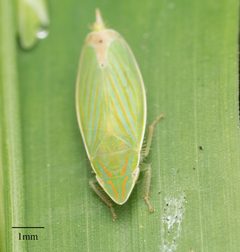
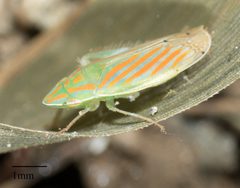
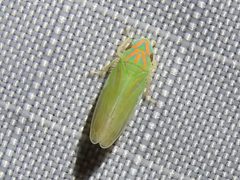
Pronunciation
How to pronounce Spangbergiella: /spæŋbɛrˈɡiːlə/
These audio files are automatically generated. While they are not always 100% accurate, they are a good starting point.
Images
Distribution
of Spangbergiella are known from North America, including the United States and Mexico. Specific distribution records exist for: S. mexicana (Mexico), S. quadripunctata (distribution not fully documented in sources), S. viridis (eastern North America, originally described from Quebec), and S. vulnerata (western and central United States, originally described from Colorado).
Similar Taxa
- HecalusBoth belong to tribe Hecalini and share similar body forms and grassland preferences; Spangbergiella can be distinguished by specific genitalia characteristics and wing venation patterns, though detailed comparative studies are limited in available literature.
- DorycephalusAnother in tribe Hecalini with superficially similar elongated body shape; Spangbergiella typically have different proportions and coloration patterns, but precise field identification requires examination of male genitalia.
More Details
Taxonomic placement
Spangbergiella is classified in the tribe Hecalini, subtribe Hecalina within the large Deltocephalinae. This placement reflects morphological similarities with other grass-associated leafhoppers, though the tribal classification of many deltocephaline remains under study.
Species diversity
Only four are formally described, but the may contain additional undescribed species. The most commonly referenced species is S. vulnerata, originally described as Thamnotettix vulnerata by Uhler in 1877 and later transferred to Spangbergiella.
Collection and observation data
iNaturalist records indicate over 1,000 observations attributed to this , suggesting it is relatively frequently encountered in field conditions, though many observations may not be identified to level due to the difficulty of distinguishing Spangbergiella species without microscopic examination.