
Neoslossonia
Van Duzee, 1909
Species Guides
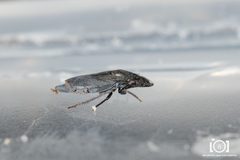
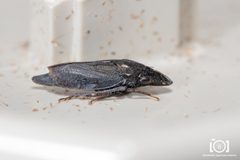
1Neoslossonia is a of leafhoppers in the Cicadellidae, Deltocephalinae, and tribe Hecalini. It was established by Van Duzee in 1909. The genus belongs to the large and diverse group of true bugs known as leafhoppers, which are characterized by their and association with vascular plants. Very few observations of this genus exist in public databases, suggesting it may be rare, poorly collected, or taxonomically obscure.
Pronunciation
How to pronounce Neoslossonia: //niːoʊsloʊˈsoʊniə//
These audio files are automatically generated. While they are not always 100% accurate, they are a good starting point.
Identification
Members of Neoslossonia can be distinguished from other Hecalini by genitalic characters, particularly features of the male and pygofer, though specific diagnostic traits require examination of and original descriptions. The genus is placed in the subtribe Hecalina based on shared morphological characteristics with related genera such as Hecalus and Slossonia.
Images
Similar Taxa
More Details
Taxonomic history
The was erected by American entomologist E.P. Van Duzee in 1909, likely named in reference to Slossonia (another hecaline genus named after entomologist Charles Slosson) with the prefix 'Neo-' indicating a new or related form. The type and number of included species require verification from original literature.
Data deficiency
With only 3 observations in iNaturalist and limited representation in major biodiversity databases, Neoslossonia represents a data-deficient . This scarcity may reflect genuine rarity, specialized requirements, taxonomic neglect, or misidentification of specimens in collections.