Sanctanus
Ball, 1932
Species Guides
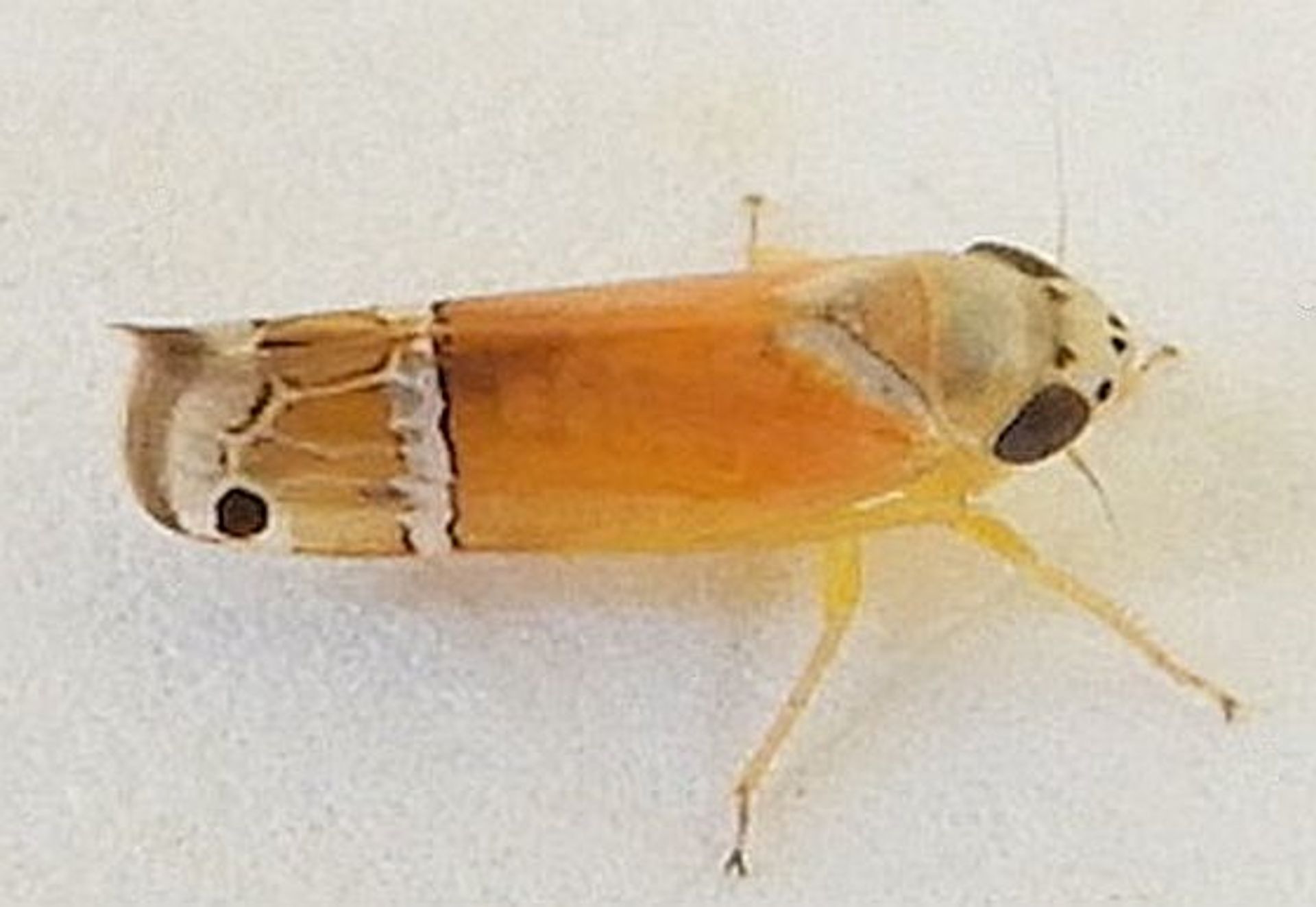
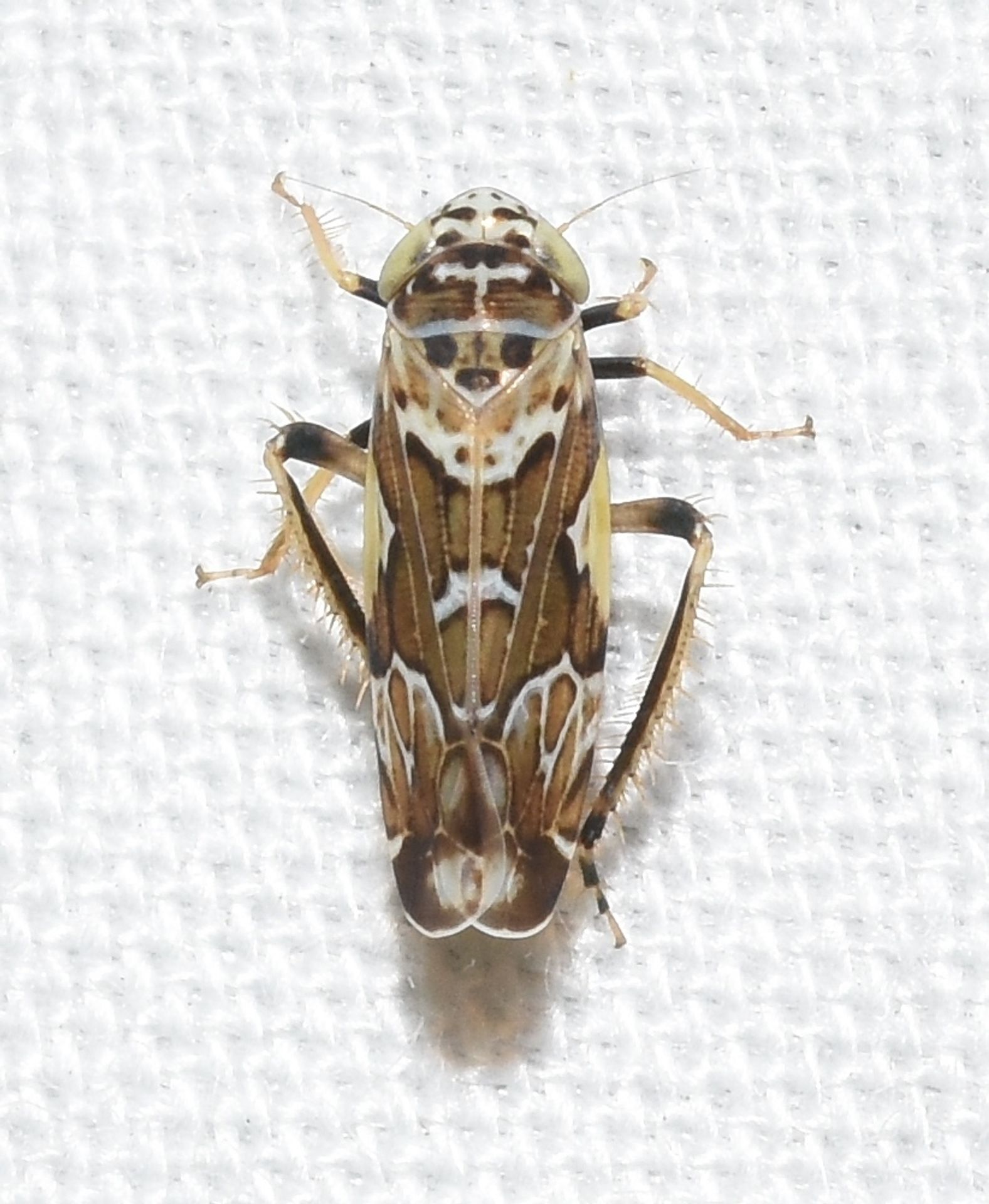
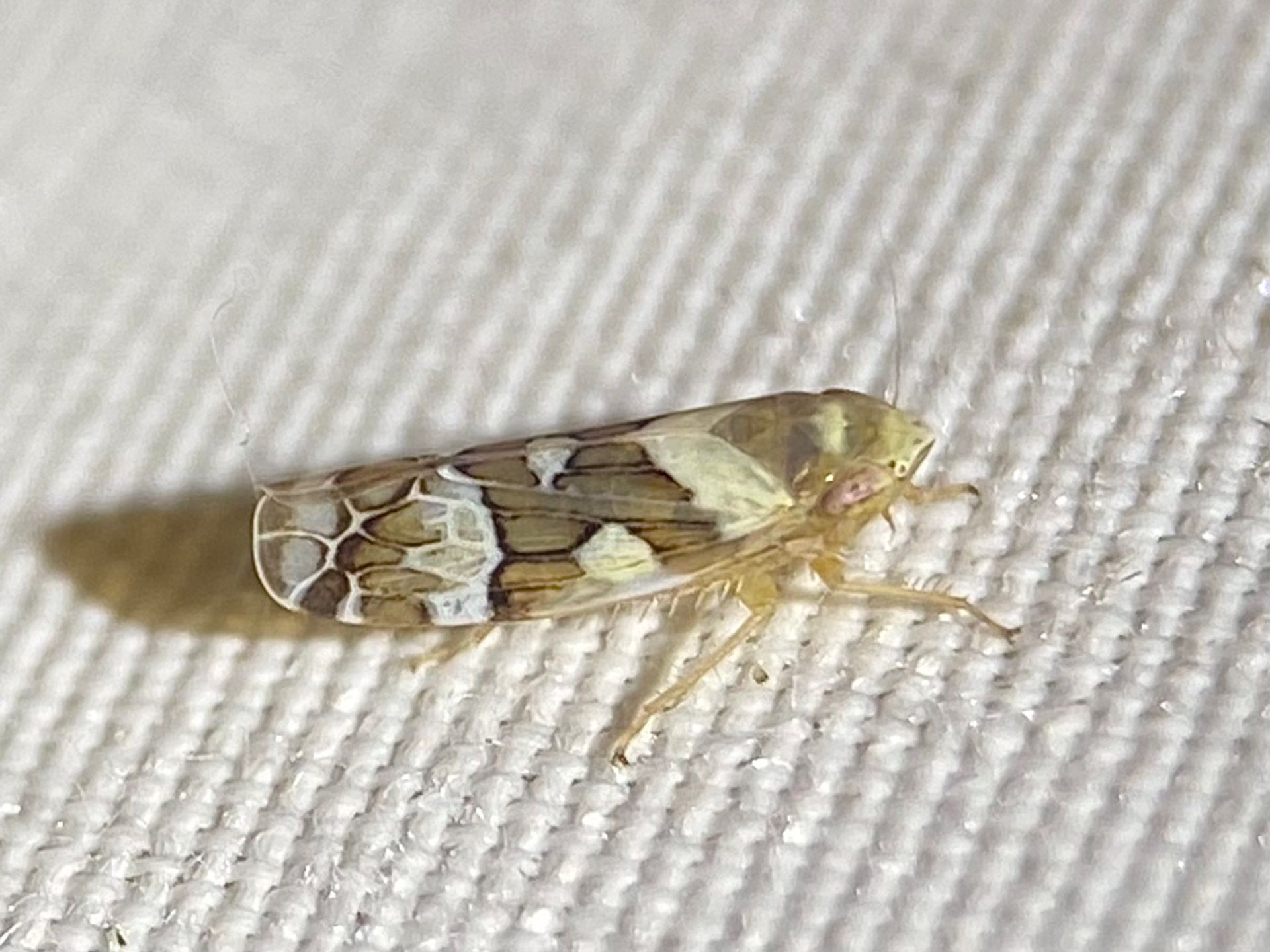
10Sanctanus is a of leafhoppers in the Cicadellidae, Deltocephalinae. The genus was established by Ball in 1932 and contains multiple distributed across North and Central America. Like other deltocephaline leafhoppers, members of this genus are small, active insects that feed on plant vascular tissues. The genus is well-represented in entomological collections and citizen science observations.
Pronunciation
How to pronounce Sanctanus: /sæŋkˈtænəs/
These audio files are automatically generated. While they are not always 100% accurate, they are a good starting point.
Identification
Sanctanus are small leafhoppers, generally 3–5 mm in length. They can be distinguished from related in the tribe Deltocephalini by features of the male genitalia, particularly the structure of the and pygofer. The vertex is typically rounded and the forewings show reduced venation compared to some related genera. Coloration varies among species but often includes pale to yellowish tones with variable dark markings. Accurate identification to species level requires examination of male genital structures under magnification.
Images
Distribution
Primarily distributed in North America, with records from the United States and Mexico. Some extend into Central America. The shows highest diversity in the southern and western United States.
Similar Taxa
- DeltocephalusBoth belong to tribe Deltocephalini and share similar body plans; Sanctanus typically has a more rounded vertex and differs in male genitalia structure
- GraminellaOverlaps in distribution and ; Sanctanus lacks the distinctive pale longitudinal stripes common in many Graminella
- ExitianusSimilar size and general appearance; Sanctanus usually have less pronounced facial markings and different wing venation patterns
More Details
Taxonomic history
Ball (1932) erected Sanctanus to accommodate previously placed in other deltocephaline . The genus has undergone limited revision since its establishment, and species boundaries remain incompletely resolved for some .
Research status
While the is frequently collected, published biological studies are sparse. Most available information derives from taxonomic descriptions and faunistic surveys rather than focused ecological or behavioral research.