Ollarianus
Ball, 1936
Species Guides
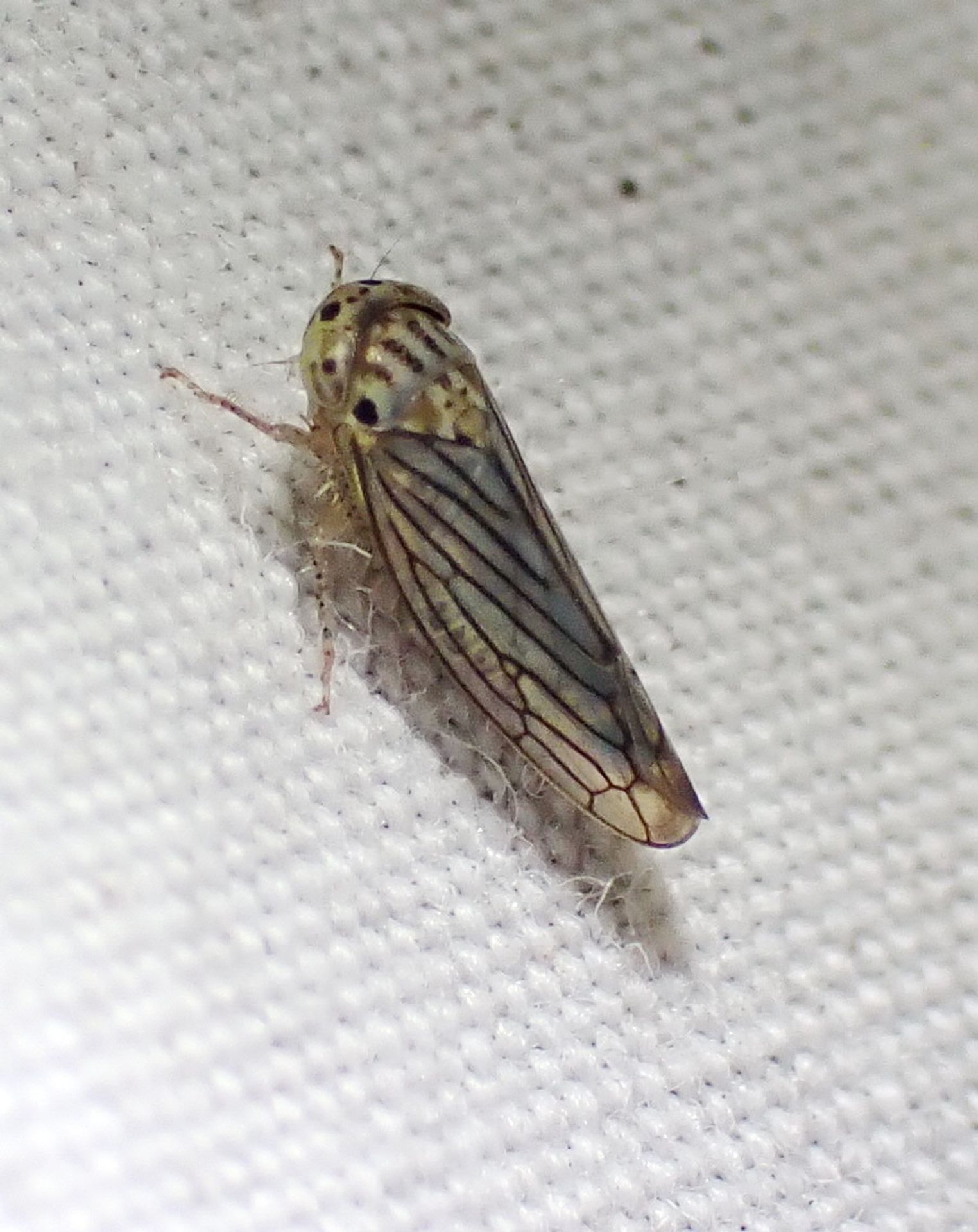
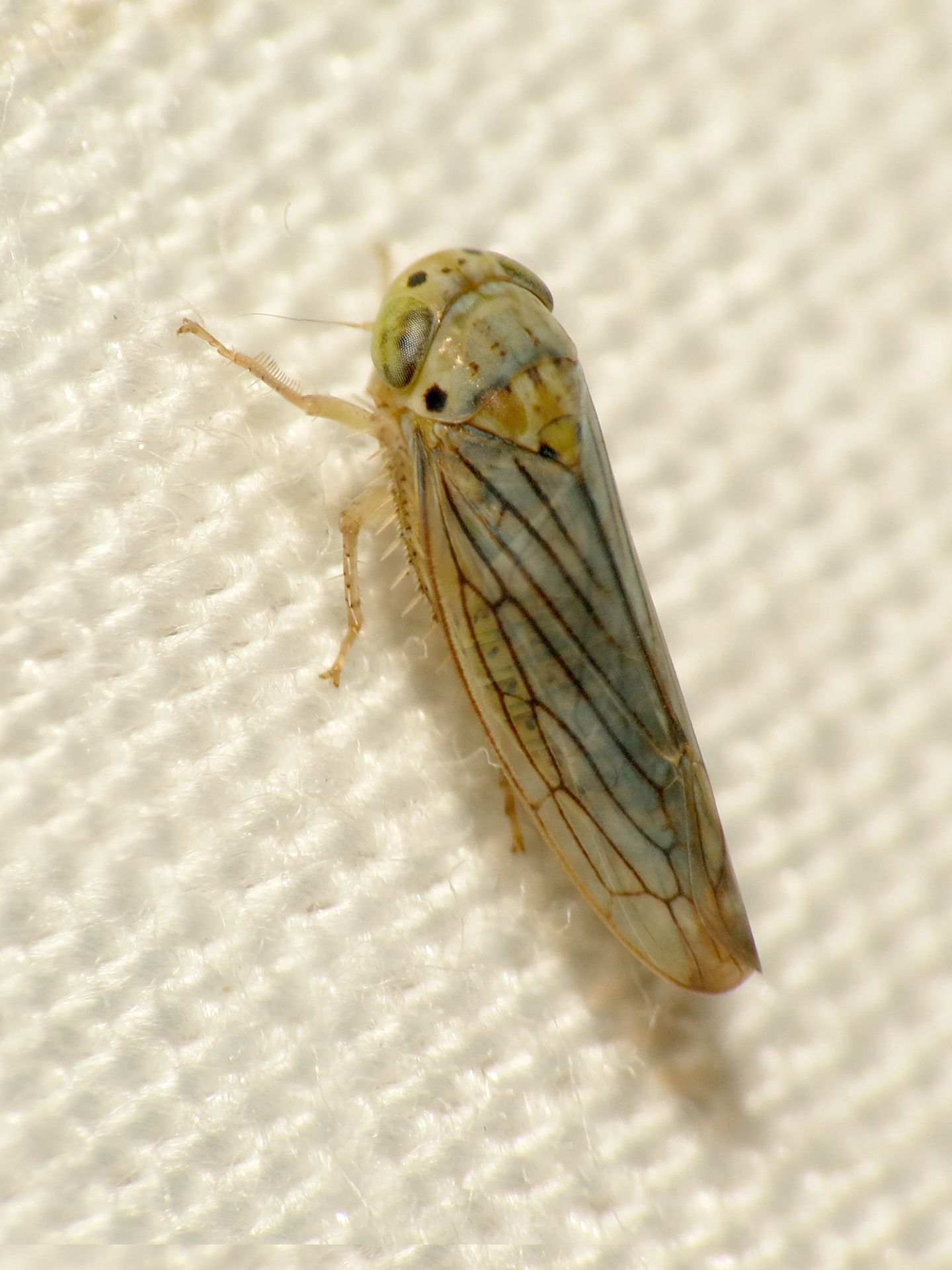
4Ollarianus is a of leafhoppers in the Cicadellidae, Deltocephalinae, tribe Platymetopiini. The genus was established by Ball in 1936. The best-documented , Ollarianus balli, is a rare leafhopper in Jamaica and a known of -associated mycoplasma-like organisms affecting plants. Members of this genus are associated with leguminous plants.
Pronunciation
How to pronounce Ollarianus: /ɔˌlɑːriˈeɪnəs/
These audio files are automatically generated. While they are not always 100% accurate, they are a good starting point.
Images
Habitat
Fields and open areas supporting the growth of specific legumes; distribution and abundance are governed primarily by the distribution and of the specific field host plant.
Distribution
Jamaica (documented for O. balli); broader distribution of the not well documented.
Diet
Phloem-feeding on plants. Ollarianus balli feeds on the wild legume Rhynchosia minima as its specific field host, and has been reared in captivity on Cajanus cajan (pigeon pea), though the latter is not a natural host.
Host Associations
- Rhynchosia minima - specific field ; natural host for life-cycle completionWild legume; governs distribution and frequency of O. balli in Jamaica
- Cajanus cajan - laboratory Pigeon pea; supports development in captivity but is not a natural
Life Cycle
are oviposited into hypodermal tissues covering of stems, petioles, and the abaxial surfaces of older leaves. Eggs hatch 10–15 days after oviposition. There are five nymphal instars; the first instar is distinct in appearance, while instars 2–5 are similar except for size. mature approximately three weeks after the final moult. The is completed on the specific field Rhynchosia minima.
Behavior
of -associated mycoplasma-like organisms (plant mycoplasmas). Rare in field .
Ecological Role
of plant mycoplasmas affecting plants; primary ecological association is with wild legumes, particularly Rhynchosia minima.
Human Relevance
Ollarianus balli is a of plant mycoplasmas, with potential agricultural significance for transmission to crops.
More Details
Laboratory rearing
Under suitable temperature conditions, O. balli has been successfully reared in captivity on its natural Rhynchosia minima and on pigeon pea (Cajanus cajan), though the latter is not a natural host.
Sexual dimorphism in lifespan
Little difference has been observed in the average lifespan between males and females of O. balli.