
Idiodonus
Ball, 1936
Species Guides
3Idiodonus is a of leafhoppers in the Cicadellidae, first described by Ball in 1936. The genus belongs to the tribe Platymetopiini within the Deltocephalinae. of Idiodonus are found in Europe and North America, with confirmed records from Scandinavia, Denmark, and the northeastern United States. At least two species are recognized: Idiodonus acus and Idiodonus albifrons.
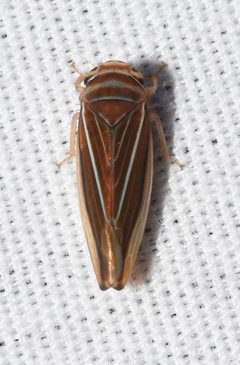
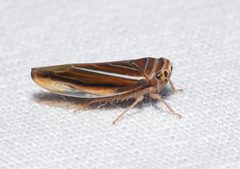
Pronunciation
How to pronounce Idiodonus: //ˌɪ.di.ˈɒd.oʊ.nəs//
These audio files are automatically generated. While they are not always 100% accurate, they are a good starting point.
Identification
Idiodonus are deltocephaline leafhoppers that can be distinguished from related by genitalic characters, particularly the structure of the male and female sternite VII. As members of the tribe Platymetopiini, they share the tribe's characteristic features including specific wing venation patterns and shape, though precise external diagnostic features require examination of or detailed taxonomic keys.
Images
Distribution
Europe (Denmark, Norway, Sweden) and North America (United States, specifically Vermont and other northeastern states).
Similar Taxa
- ColladonusBoth are deltocephaline leafhopper with overlapping geographic ranges in North America; distinguished by different genitalic structures and wing venation patterns.
- PlatymetopiusType of the tribe Platymetopiini; shares tribal characteristics with Idiodonus but differs in specific and genitalic .
More Details
Taxonomic History
The was established by Elmer Darwin Ball in 1936, a prominent American entomologist who made significant contributions to leafhopper . The name 'Idiodonus' derives from Greek roots, though the specific etymology was not explicitly defined in the original description.
Species Composition
Two are currently recognized: Idiodonus acus and Idiodonus albifrons. Additional species may exist but require taxonomic revision, as many Platymetopiini are morphologically conservative and understudied.