
Tibicinini
Distant, 1905
Genus Guides
6- Chlorocanta
- Clidophleps(American Stridulating Cicadas)
- Hewlettia
- Okanagana
- Okanagodes
- Tibicinoides
Tibicinini is a tribe of cicadas comprising approximately 100 described across 11 . Members are distributed across the Holarctic region, encompassing North America and Eurasia. The tribe includes genera such as Okanagana, Tibicina, and Okanagodes, which are among the more frequently encountered cicadas in temperate regions. Tibicinini was established by Distant in 1905.
Pronunciation
How to pronounce Tibicinini: /ˌtɪbɪˈkiːnɪnaɪ/
These audio files are automatically generated. While they are not always 100% accurate, they are a good starting point.
Identification
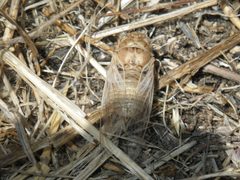
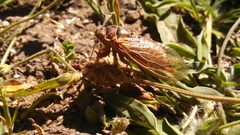
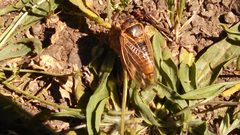
Tibicinini can be distinguished from other tribes by features of the male genitalia, particularly the structure of the and claspers. within the tribe show considerable variation in body size and coloration, ranging from small, drab to larger, more brightly marked individuals. Tibicina species in the Palearctic and Okanagana species in the Nearctic are often characterized by banded or spotted abdominal patterns. The tymbal covers () in males are typically well-developed and may extend to cover part of the .
Images
Habitat
in Tibicinini occupy diverse across the Holarctic, including temperate forests, shrublands, grasslands, and montane regions. Many Okanagana species are associated with coniferous or mixed woodlands in western North America. Some species occur in arid or semi-arid environments, particularly in the southwestern United States and Mexico. Elevation ranges vary widely, with some species restricted to lowland areas and others found at high elevations in mountainous regions.
Distribution
Holarctic distribution, occurring across North America, Europe, and Asia. In North America, the tribe is most diverse in the western United States and Canada, with Okanagana being particularly widespread. The Tibicina is primarily Palearctic, distributed across Europe and into western Asia. Some genera have restricted ranges; for example, Subpsaltria is to China.
Seasonality
timing varies by and latitude. Many North American Okanagana species emerge in late spring to early summer (May–July), with some high-elevation species appearing later. Palearctic Tibicina species generally emerge in summer (June–August). Some species exhibit extended emergence periods, while others have relatively brief adult periods lasting only a few weeks.
Diet
Nymphs feed on xylem sap from roots of various plants; specific host associations vary by . also feed on xylem sap, though feeding is less frequent than in the nymphal stage. Documented host plants include conifers, deciduous trees, and shrubs, though comprehensive host records are incomplete for most species.
Host Associations
- coniferous trees - nymphal documented for several Okanagana
- deciduous trees and shrubs - nymphal various
Life Cycle
Hemimetabolous development with , nymph, and stages. Eggs are inserted into twigs or stems by females using the ovipositor. Nymphs drop to the ground and burrow to feed on root xylem, undergoing multiple instars over several years. Nymphal development periods range from 2–5 years depending on and environmental conditions. Adults emerge from the soil, , and live for several weeks to a few months.
Behavior
Males produce -specific acoustic signals using tymbal organs to attract females. Calling activity is typically and temperature-dependent, with peak activity during warm, sunny conditions. Some species form loose during the breeding period. are generally poor fliers, moving short distances between perches. When disturbed, individuals may emit distress sounds or drop to the ground to escape.
Ecological Role
Nymphs contribute to soil aeration through burrowing activities. As xylem feeders, they have minimal direct impact on plant health due to the dilute nutrient content of xylem fluid. serve as prey for birds, mammals, and . and adult carcasses provide nutrient input to soil and aquatic . The tribe is not considered economically significant as a pest group.
Human Relevance
Some are familiar components of the summer soundscape in their respective ranges. Tibicina plebeja and related species are known in Europe for their loud, persistent calling. No species are known to cause significant agricultural or economic damage. Occasionally collected by naturalists and photographers; some species are featured in regional field guides.
Similar Taxa
- CicadettiniOverlapping distribution and similar body size in some ; distinguished by male genitalia structure and often by differences in calling song frequency and pattern
- PlatypleuriniSome African and Asian members resemble Tibicinini in general form; separated by geographic distribution and genitalic
More Details
Taxonomic history
The classification of Tibicinini has undergone revision, with several transferred in or out of the tribe based on phylogenetic studies. Recent work has described new genera including Chlorocanta, Gibbocicada, and Hewlettia.
Research needs
details, including nymphal development periods and plant associations, remain poorly documented for many . The acoustic repertoires of numerous Palearctic species have not been formally described.