
Leptohyphes
Eaton, 1882
little stout crawler mayflies
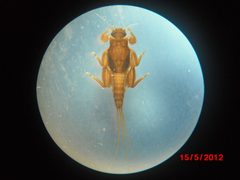
Leptohyphes is a of small, robust mayflies in the Leptohyphidae, commonly referred to as "little stout crawler mayflies." The genus contains approximately 18 described distributed primarily in the Neotropics, with a concentration in South America. Species in this genus are characterized by their crawling and compact body form. The genus was established by Eaton in 1882.
Pronunciation
How to pronounce Leptohyphes: //ˌlɛp.toʊˈhaɪ.fiːz//
These audio files are automatically generated. While they are not always 100% accurate, they are a good starting point.
Identification
Leptohyphes are distinguished from other Leptohyphidae by their stout, compact body shape and reduced wing venation. The can be separated from related genera such as Tricorythodes by differences in gill structure and abdominal segment . Specific identification to species level requires examination of genitalia and detailed wing venation patterns.
Images
Habitat
in this inhabit flowing freshwater environments, particularly streams and small rivers. GBIF records indicate occurrence in mountainous regions of Colombia, with specimens collected from quebradas (small streams) and rivers at various elevations.
Distribution
The is distributed in the Neotropical region, with confirmed records from Colombia (departments of Antioquia, Boyacá, Cauca, Caldas, Chocó, Cundinamarca, Nariño, Putumayo, Quindío, Risaralda, Tolima, and Valle del Cauca). The distribution pattern suggests a South American center of diversity, though the full range may extend more broadly through Central and South America.
Behavior
The " mayflies" refers to the distinctive of nymphs, which crawl along the substrate rather than swimming actively in the water column. This crawling habit is associated with their robust body form and well-developed legs adapted for clinging to rocks and debris in flowing water.
Ecological Role
As a component of the benthic macroinvertebrate in Neotropical streams, Leptohyphes nymphs contribute to nutrient cycling and serve as prey for aquatic . The is part of the diverse fauna that indicates healthy lotic in the region.
Similar Taxa
- TricorythodesAlso in Leptohyphidae with similar small size and reduced wing venation; distinguished by differences in gill structure and abdominal
- LeptohyphodesRelated in the same ; separation requires detailed examination of genitalia and wing characteristics
More Details
Species diversity
The contains approximately 18 described , with several species described by Allen and Brusca in 1973 based on material from Central and South America. Species descriptions have continued into the 21st century, with Leptohyphes mandibulus described by Baumgardner in 2007.
Taxonomic history
The was established by Eaton in 1882. The Leptohyphidae, to which it belongs, was historically considered part of but is now recognized as a distinct family within the superfamily Ephemerelloidea.