
Paraleptophlebia strigula
(McDunnough, 1932)
streaky prong-gilled mayfly
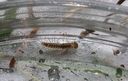
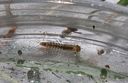
Paraleptophlebia strigula is a of prong-gilled mayfly in the Leptophlebiidae. It was described by McDunnough in 1932. The species occurs in North America. As a member of Leptophlebiidae, it possesses the characteristic forked gills on abdominal segments that give the family its .
Pronunciation
How to pronounce Paraleptophlebia strigula: //ˌpærəˌlɛptoʊˈflɛbiə ˈstrɪɡjʊlə//
These audio files are automatically generated. While they are not always 100% accurate, they are a good starting point.
Identification
Mayflies in the Paraleptophlebia can be distinguished from related genera by features of the male genitalia and wing venation. -level identification within the genus requires examination of these structures. The specific epithet 'strigula' (meaning small streak or furrow) may refer to markings on the body or wings, though this is not confirmed in available sources.
Images
Distribution
North America. Specific records are sparse; the is documented from the Nearctic region with presence confirmed in North America generally. Detailed locality data are not available in the provided sources.
Ecological Role
As with other Leptophlebiidae, nymphs are likely aquatic and serve as important components of freshwater , functioning as both consumers of periphyton and detritus and as prey for fish and other .
Similar Taxa
- Paraleptophlebia debilisAnother North American in the same ; requires genital examination to distinguish
- Paraleptophlebia mollisSympatric with overlapping range; subtle morphological differences in male genitalia
More Details
Taxonomic note
The Leptophlebiidae is commonly known as prong-gilled mayflies due to the forked or prong-like structure of their abdominal gills. This distinguishes them from other families.