
Paracladura
Brunetti, 1911
winter crane flies
Species Guides
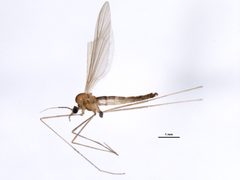
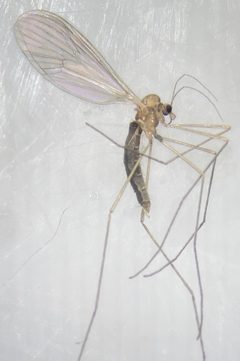
1- Paracladura trichoptera(winter crane fly)
Paracladura is a of winter crane flies ( Trichoceridae) comprising more than 30 described . are active during winter months, an unusual trait among insects. The genus is distinguished from other trichocerids by wing venation patterns. Paracladura is the least diverse of the three North American trichocerid genera, with one species documented in western North America.
Pronunciation
How to pronounce Paracladura: /ˌpærəkləˈdʊərə/
These audio files are automatically generated. While they are not always 100% accurate, they are a good starting point.
Identification
Paracladura can be distinguished from the more common Trichocera by wing venation characters visible under magnification. Like all Trichoceridae, members of Paracladura possess three ocelli (simple ) on the crown of the between the , a feature absent in other crane fly . The genus is in North America, with a single restricted to western regions, whereas Trichocera contains 27 species across the continent.
Images
Habitat
are associated with dark, sheltered microhabitats including cave and mine shaft entrances, hollow trees, and cellars. This preference likely reflects larval requirements for decaying organic substrates.
Distribution
The has a global distribution with more than 30 described . In North America, Paracladura is represented by a single species found in western regions, contrasting with the transcontinental distribution of Diazosma and the widespread occurrence of Trichocera.
Seasonality
are active during winter months and have been observed flying in swarms on sunny days. They are attracted to artificial light sources in December and January.
Life Cycle
Larvae develop in decaying organic matter. Maggots have been documented in decomposing leaves and vegetables, fungi, manure, decaying tubers in root cellars, and rodent burrows where they likely scavenge on .
Behavior
Males form swarming on sunny winter days. are attracted to light at night. The association with dark, sheltered situations during non-swarming periods suggests behavioral or moisture retention requirements.
Ecological Role
Larvae function as decomposers in , processing decaying plant material, fungi, and organic detritus. Their presence in rodent burrows suggests a role in nutrient cycling within small mammal microhabitats.
Human Relevance
Paracladura has no known economic importance. provide an unusual opportunity to observe flying insects during winter months in temperate regions. They pose no threat to agriculture or human health.
Similar Taxa
- TrichoceraThe most commonly encountered winter crane fly in North America, comprising 27 . Distinguished from Paracladura by wing venation patterns; requires microscopic examination for reliable separation.
- DiazosmaThe third North American trichocerid , with one transcontinental . Separated from Paracladura by wing venation characters.
More Details
Taxonomic status
Paracladura is the type of Paracladurinae within Trichoceridae, indicating its phylogenetic significance within the .