
Dicranota
Zetterstedt, 1838
Species Guides
5Dicranota is a of crane flies (Diptera: Pediciidae) established by Zetterstedt in 1838. The genus contains multiple subgenera, including Eudicranota and Rhaphidolabis. occur across the Northern Hemisphere, with documented records from Europe, Korea, the Caucasus, and Central Asia. Larvae are aquatic and predatory, inhabiting cold, clean streams and springs.
Pronunciation
How to pronounce Dicranota: //ˈdaɪkrəˌnoʊtə//
These audio files are automatically generated. While they are not always 100% accurate, they are a good starting point.
Identification
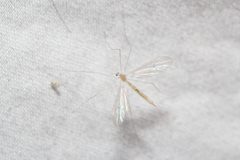
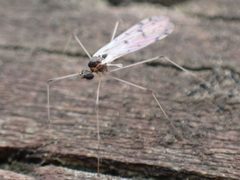
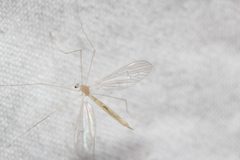
Dicranota can be distinguished from the related Tricyphona by wing venation, particularly the short radial sector. are small to medium-sized crane flies with characteristic pediciid .
Images
Habitat
Forested mountain regions with granitic geology. Larvae develop on the bottom of small, fast-running streams and springs with clean, cold water. hide in herbaceous vegetation during the day and remain near larval .
Distribution
Europe (Denmark, Norway, Sweden); Korean Peninsula (North Korea and South Korea); Central Caucasus (Russia: Kabardino-Balkaria); Central Asia (Tajikistan, Uzbekistan, Kyrgyzstan). Collected at elevations from lowlands to mountainous areas up to 1450 m.
Seasonality
active in June; become more active at dusk.
Diet
Predatory, feeding on small .
Life Cycle
Larvae develop on the bottom of aquatic (streams and springs). fly near larval habitats.
Behavior
become more active at dusk. Some attracted to light. Often found flying together with other Pediciidae crane flies, especially Tricyphona. Adults hide in herbaceous vegetation during the day.
Similar Taxa
- TricyphonaBoth are Pediciidae crane flies often found flying together; distinguished by Dicranota's short radial sector in wing venation.