
Orimarga
Osten Sacken, 1869
Species Guides
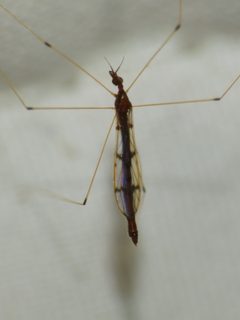
1Orimarga is a of crane flies (Diptera: Limoniidae) established by Osten Sacken in 1869. The genus contains approximately 150 described distributed across three subgenera: Diotrepha, Orimarga, and Protorimarga. Species occur across multiple continents including North America, South America, Europe, Asia, and Oceania. The genus is characterized by specific wing venation patterns and genitalic structures that distinguish it from related limoniid genera.
Pronunciation
How to pronounce Orimarga: //ˌɔːrɪˈmɑːrɡə//
These audio files are automatically generated. While they are not always 100% accurate, they are a good starting point.
Identification
Orimarga are distinguished from other Limoniidae by reduced wing venation with specific patterns of fusion and reduction, particularly in the radial and medial sectors. The genus is further characterized by distinctive male genitalic structures, including modified tergites and sternites, and specific arrangements of spines and lobes on the hypopygium. Species-level identification requires examination of wing venation details, body coloration patterns, and genitalic .
Images
Distribution
Widespread across multiple biogeographic regions: Nearctic (North America), Neotropical (Central and South America), Palearctic (Europe and Asia), Oriental (Southeast Asia), and Australasian (Australia, New Zealand, Pacific islands). Specific distribution varies by , with some showing restricted regional while others have broader ranges.
Similar Taxa
- LimoniaBoth are Limoniidae with reduced wing venation; Orimarga differs in specific fusion patterns and genitalic structure
- DicranomyiaShares characteristics but Orimarga has distinct hypopygial and wing venation reduction patterns
More Details
Subgeneric classification
The is divided into three subgenera: Orimarga (the nominate subgenus with the majority of ), Diotrepha (established 1878, primarily Neotropical), and Protorimarga (established 1930, ). Subgeneric assignment is based on wing venation patterns and genitalic characteristics.
Taxonomic history
The was established by Carl Robert Osten Sacken in 1869. Many were described by Charles Paul Alexander, who contributed extensively to crane fly in the 20th century. The large number of species (approximately 150) reflects both genuine diversity and the intensive taxonomic work on the group.