
Dicranoptycha
Osten Sacken, 1860
Species Guides
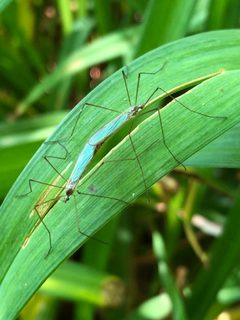
3Dicranoptycha is a of crane flies in the Limoniidae, established by Osten Sacken in 1860. These insects belong to the diverse limoniid crane fly radiation, which are generally smaller and more delicate than the more familiar tipulid crane flies. The genus has been documented from parts of northern Europe including Denmark, Norway, and Sweden.
Pronunciation
How to pronounce Dicranoptycha: //dɪˌkræn.əpˈtaɪ.kə//
These audio files are automatically generated. While they are not always 100% accurate, they are a good starting point.
Identification
Dicranoptycha can be distinguished from other Limoniidae by examining wing venation patterns and male genitalia structures; definitive identification requires microscopic examination. The genus name refers to the forked or divided wing characteristics typical of the group. Separation from related genera such as Limonia and Rhipidia depends on subtle differences in the and radial sector branching.
Images
Distribution
Documented from Denmark (DK), Norway (NO), and Sweden (SE) based on collection records. The likely has a broader Palearctic distribution, though precise range boundaries remain incompletely characterized.
Ecological Role
As with other limoniid crane flies, Dicranoptycha likely function as decomposers in larval stages and serve as prey for as , though specific ecological studies are lacking.
Similar Taxa
- LimoniaBoth belong to Limoniidae and share reduced wing size compared to Tipulidae; Dicranoptycha differs in wing venation details and male genitalia structure.
- RhipidiaSimilar delicate body form and wing shape; distinguished by differences in the radial sector and presence of specific wing folds in Dicranoptycha.
More Details
Taxonomic Note
Authority sometimes cited as Coquillett, 1910 in some databases, though Osten Sacken, 1860 is the original and accepted authority. The is part of the large and taxonomically challenging Limoniinae , which contains hundreds of with ongoing revisionary work needed.
Research Status
The is poorly represented in published ecological and behavioral literature. Most knowledge derives from taxonomic catalogues and regional faunistic surveys rather than dedicated biological studies.