
Epiphragma solatrix
(Osten Sacken, 1860)
Spectacled Crane Fly
Epiphragma solatrix is a of limoniid crane fly commonly known as the Spectacled Crane Fly. It is widely distributed from the United States through the to Argentina. The species is notable for its wood-dwelling larvae, which feed on decaying wood. are frequently observed and well-documented, with over 3,400 observations recorded on iNaturalist.


Pronunciation
How to pronounce Epiphragma solatrix: //ˌɛpɪˈfræɡmə soʊˈleɪtrɪks//
These audio files are automatically generated. While they are not always 100% accurate, they are a good starting point.
Identification
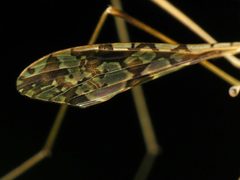
Members of the Epiphragma can be recognized by distinctive markings on the wings, often including patterned or spotted wings that give rise to the 'spectacled.' Specific identification of E. solatrix requires examination of wing venation and genitalia; the is part of a complex group where precise determination may need verification.
Images
Habitat
Larvae inhabit and feed within decaying wood, indicating association with forested or wooded environments containing dead or dying trees. preferences are less documented but likely include moist woodland areas near larval development sites.
Distribution
Ranges from the eastern and central United States (Kansas to New York, south to Louisiana and Florida) through Mexico, Cuba, and south to Argentina. The spans both the Nearctic and Neotropical biogeographic realms.
Diet
Larvae feed on wood, likely decaying or dead wood material. feeding habits are not documented.
Life Cycle
Complete with , larva, pupa, and stages. Larvae are wood-inhabiting; specific details of and adult are not documented.
Ecological Role
Larvae contribute to wood decomposition as saproxylic organisms, facilitating nutrient cycling in forest .
Similar Taxa
- Other Epiphragma speciesShare similar wing patterns and general ; require detailed examination of genitalia or wing venation for separation.
- Other Limoniidae generaMany limoniid crane flies resemble E. solatrix in general body form; wing patterning and genitalic structures distinguish Epiphragma.
More Details
Taxonomic Authority
The authority is sometimes cited as 1859 and sometimes as 1860 in different sources; the basionym Limnophila solatrix was established by Osten Sacken.