
Pseudotephritina
Malloch, 1931
Species Guides
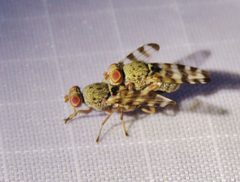
2- Pseudotephritina cribellum(picture-winged fly)
- Pseudotephritina inaequalis
Pseudotephritina is a of picture-winged flies in the Ulidiidae, established by Malloch in 1931. The genus contains at least two described : P. cribellum (Loew, 1873) and P. inaequalis (Malloch, 1931). As members of the Ulidiidae family, these flies possess characteristically patterned wings that serve in species recognition and . The genus is distinguished from related ulidiid genera by specific wing venation and body proportions, though detailed biological studies remain limited.
Pronunciation
How to pronounce Pseudotephritina: //ˌsjuːdoʊˌtɛfrɪˈtaɪnə//
These audio files are automatically generated. While they are not always 100% accurate, they are a good starting point.
Identification
Pseudotephritina can be distinguished from other Ulidiidae by wing venation patterns and body proportions, though specific diagnostic characters require examination. The genus name suggests similarity to Tephritinae (fruit flies), but members belong to the separate Ulidiidae. Accurate identification to species level requires reference to original descriptions and comparison of .
Images
Distribution
Geographic distribution data for Pseudotephritina is not well documented in available sources. Observations on iNaturalist suggest presence in North America, but specific range boundaries for either described remain unverified.
Similar Taxa
- Tephritinae (fruit fly subfamily)Similar wing patterning leading to name; distinguished by -level characters including wing venation and larval
- Other Ulidiidae generaShare characteristics of patterned wings; separated by specific wing venation patterns and body proportions
More Details
Taxonomic history
The was established by Malloch in 1931, with P. inaequalis described as the type . P. cribellum was originally described in a different genus (Myrmecophila, later synonymized) by Loew in 1873 and subsequently transferred to Pseudotephritina.
Research status
Despite 480 iNaturalist observations, published biological and ecological studies on Pseudotephritina appear sparse. Most knowledge derives from taxonomic descriptions rather than field research.