Tritoxa flexa
(Wiedemann, 1830)
Black Onion Fly
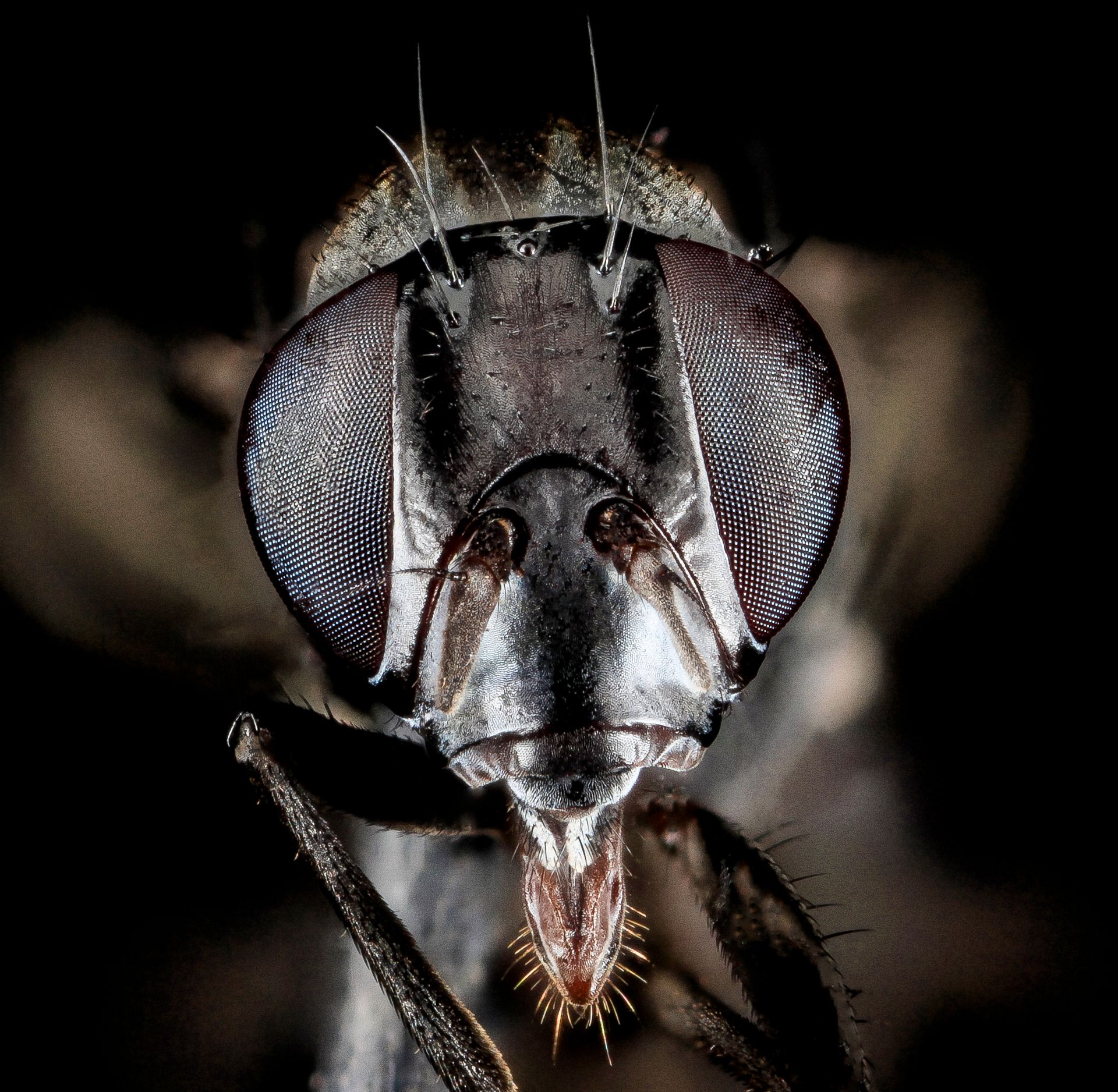
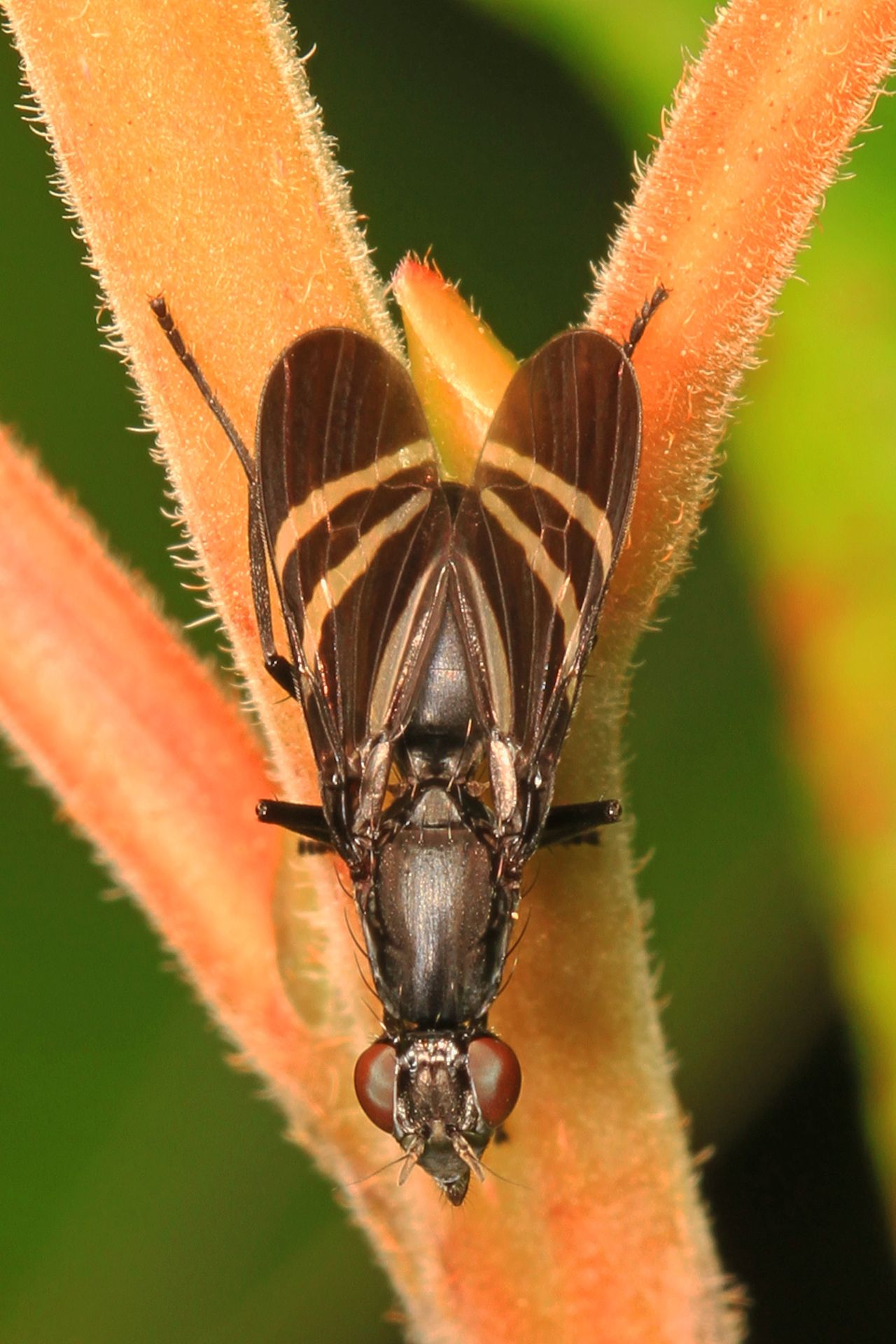
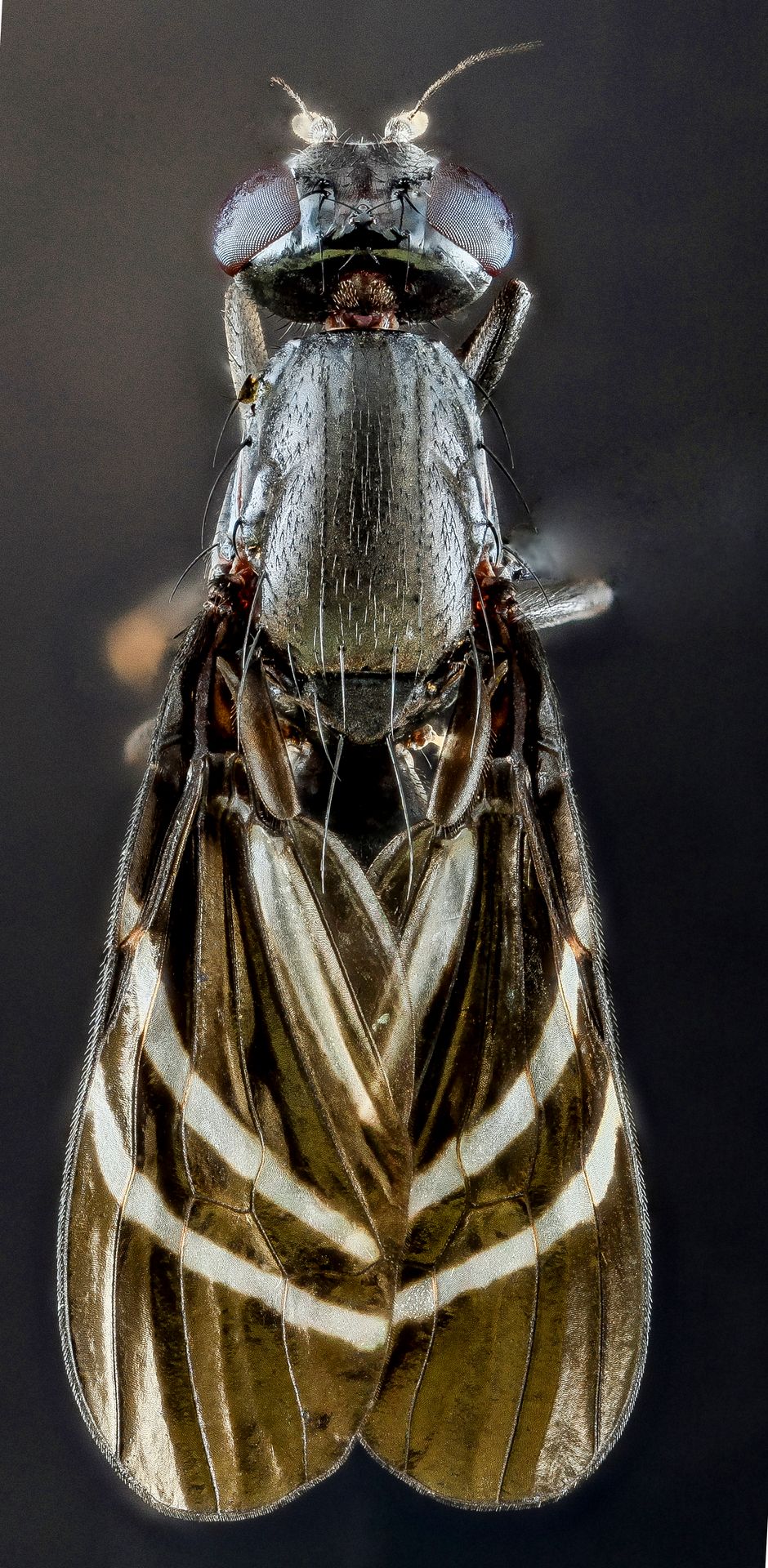
Tritoxa flexa, commonly known as the Black Onion Fly, is a Nearctic of picture-winged fly in the Ulidiidae. It was first described by Wiedemann in 1830 and is one of seven recognized species in the Tritoxa. The species possesses distinctive patterned wings characteristic of ulidiid flies. A 2021 revision of the genus provided species illustrations, distribution maps, and a diagnostic key to differentiate T. flexa from .
Pronunciation
How to pronounce Tritoxa flexa: /ˈtɹɪtoʊksə ˈflɛksə/
These audio files are automatically generated. While they are not always 100% accurate, they are a good starting point.
Identification
Wing patterns can be used to differentiate Tritoxa flexa from other in the , though confident identification of certain sympatric species requires examination of male genitalia. The species is illustrated in the 2021 revision of the Nearctic genus Tritoxa, which includes a key to all seven recognized species.
Images
Distribution
Canada, United States.
Similar Taxa
- Tritoxa californicaSympatric in the Nearctic region; requires male genitalia examination for confident differentiation from T. flexa.
- Tritoxa decipiensSympatric in the Nearctic region; requires male genitalia examination for confident differentiation from T. flexa.
- Tritoxa cuneata in the Nearctic Tritoxa; distinguished by wing patterns.
- Tritoxa incurva in the Nearctic Tritoxa; distinguished by wing patterns.
- Tritoxa pollinosa in the Nearctic Tritoxa; distinguished by wing patterns.
- Tritoxa ra in the Nearctic Tritoxa; distinguished by wing patterns.