
Toxotrypanini
Genus Guides
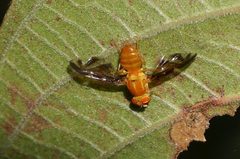
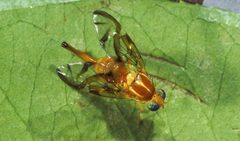
2- Anastrepha(fruit flies)
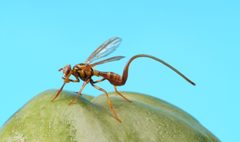
- Toxotrypana(papaya fruit fly)
Toxotrypanini is a tribe of fruit flies within the Trypetinae of Tephritidae. The tribe includes economically significant such as Toxotrypana (containing the papaya fruit fly) and Anastrepha (a large genus of Neotropical fruit fly pests). Members are primarily associated with tropical and subtropical regions of the Americas. The tribe is characterized by specialized relationships with fruits, with several recognized as major agricultural pests.
Pronunciation
How to pronounce Toxotrypanini: /tɔks.oʊˌtraɪ.pəˈnaɪnaɪ/
These audio files are automatically generated. While they are not always 100% accurate, they are a good starting point.
Identification
Toxotrypanini flies are distinguished from other tephritid tribes by combinations of wing pattern elements, chaetotaxy, and male genitalia structure. Within the tribe, are separable by characteristic differences in wing venation, coloration patterns, and body proportions. -level identification typically requires examination of terminalia and is complicated by extensive intraspecific variation in markings.
Images
Habitat
Tropical and subtropical environments, primarily in association with fruit-bearing plants. range from native forests to agricultural plantations and disturbed areas where host fruits occur.
Distribution
Neotropical region, extending from South Florida and southern Texas through Central America, the Caribbean islands, and into northern South America. The distribution reflects the range of economically important plants, particularly in tropical lowlands.
Host Associations
- papaya - Carica papaya; principal of Toxotrypana curvicauda
Behavior
Diel rhythms of activity have been documented in Anastrepha . Behavioral studies focus on mating systems, location, and oviposition patterns relevant to pest management.
Ecological Role
Larval development in fruits makes members of this tribe significant fruit . Their relationships influence fruit dynamics and plant reproductive success in native , though quantitative ecological studies are limited.
Human Relevance
Multiple are major agricultural pests, causing direct damage to fruit crops and triggering restrictions that affect international trade. The papaya fruit fly (Toxotrypana curvicauda) and numerous Anastrepha species are targets of extensive control programs including sterile insect technique, sprays, and quarantine protocols.
Similar Taxa
- DaciniAnother tribe of Tephritidae containing major fruit fly pests; distinguished by different wing patterns and larval associations, often with cucurbits rather than the characteristic hosts of Toxotrypanini
- TrypetiniTribe within same Trypetinae; separable by wing venation details and different patterns of chaetotaxy, with less extensive Neotropical diversification
More Details
Taxonomic composition
The tribe contains at least two large, economically important : Toxotrypana (with fewer , including the specialized papaya feeder T. curvicauda) and Anastrepha (a diverse genus with over 100 species, many of which are pests). The precise tribal boundaries and included genera have been subject to revision based on phylogenetic studies.