
Terellia ruficauda
(Fabricius, 1794)
Red-tailed Thistle Fly
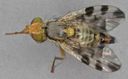
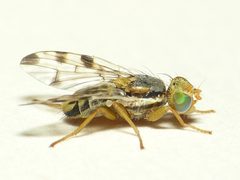
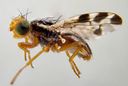
Terellia ruficauda is a tephritid gall fly native to the Palearctic region, now introduced to North America. The is notable for its larval association with Cirsium arvense (creeping thistle), where larvae develop within the flower . are recognized by the distinctive reddish coloration of the referenced in the specific epithet.
Pronunciation
How to pronounce Terellia ruficauda: /tɛˈrɛliə ruːfɪˈkaʊdə/
These audio files are automatically generated. While they are not always 100% accurate, they are a good starting point.
Identification
The combination of reddish abdominal coloration and association with Cirsium thistles distinguishes this from . Accurate identification to species level typically requires examination of wing venation patterns and male genitalia structures, standard practice for Tephritidae .
Images
Appearance
flies possess a reddish-orange or , the trait referenced in the specific epithet 'ruficauda' (red tail). Wing patterns typical of Tephritidae are present, though specific markings are not well documented in available sources. Body size and detailed morphological features require direct specimen examination.
Habitat
Found in open supporting of Cirsium arvense, including agricultural fields, meadows, roadsides, and disturbed ground. The ' distribution closely tracks that of its larval plant.
Distribution
Native to the Palearctic: Central and Northern Europe, eastward through Russia. Introduced to North America: established in Canada and the United States. Presence confirmed in Belgium at national and regional levels.
Diet
Larvae feed internally on developing flower of Cirsium arvense. feeding habits are not documented in available sources.
Host Associations
- Cirsium arvense - larval Larval development occurs within flower
Ecological Role
As a gall-forming on Cirsium arvense, the may contribute to of this widespread agricultural weed. The extent of its impact on plant in introduced ranges has not been quantified.
Human Relevance
Potential significance as a biocontrol agent for creeping thistle (Cirsium arvense), a problematic weed in North America. The intentional or accidental introduction to Canada and the United States likely relates to this agricultural context.
Similar Taxa
- Other Terellia species share general body plan, wing patterns, and thistle-associated ; require genitalic or wing detail examination for separation
- Urophora and other Tephritidae on CirsiumMultiple tephritid exploit thistles; gall and larval chamber structure differ among
More Details
Nomenclatural history
Originally described as Musca ruficauda by Fabricius in 1794, later transferred to Terellia.
Introduction history
North American represent a documented introduction, though specific date and mechanism (intentional biocontrol release versus accidental establishment) are not specified in available sources.