
Neaspilota
Osten Sacken, 1878
Species Guides
5Neaspilota is a of fruit flies in the Tephritidae, established by Osten Sacken in 1878. The genus contains approximately 20 described distributed across North America and New Zealand. As members of Tephritidae, these flies are characterized by distinctive wing patterns and are associated with various plants for larval development.
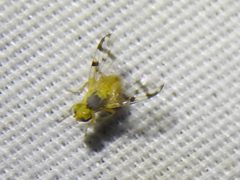
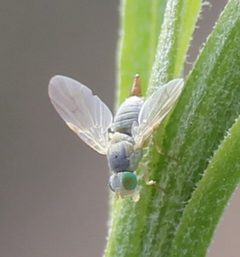
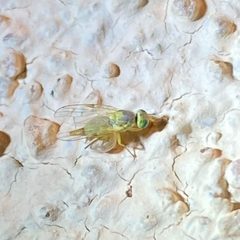
Pronunciation
How to pronounce Neaspilota: /niːəˈspɪlotə/
These audio files are automatically generated. While they are not always 100% accurate, they are a good starting point.
Identification
Neaspilota can be distinguished from other Tephritidae by wing venation patterns and body setation, though specific diagnostic features require examination of and reference to original species descriptions. The genus is placed in the tribe Terelliini, which can help narrow identification within the Tephritinae.
Images
Distribution
North America and New Zealand.
Similar Taxa
- TerelliaBoth belong to the tribe Terelliini and share similar body plans and wing patterns, requiring careful examination of genitalia and setal characters for separation.
- CampiglossaAnother in Terelliini with overlapping morphological features; Neaspilota often differ in details of wing pattern and male terminalia.
More Details
Species diversity
The includes 20 described , with the majority described by Freidberg & Mathis in 1986, indicating significant taxonomic revision in the late 20th century.
Disjunct distribution
The occurrence in both North America and New Zealand represents a notable biogeographic pattern, though the history and phylogenetic relationships between these remain to be fully resolved.