Aciurina thoracica
Curran, 1932
Desert Broom Gallfly
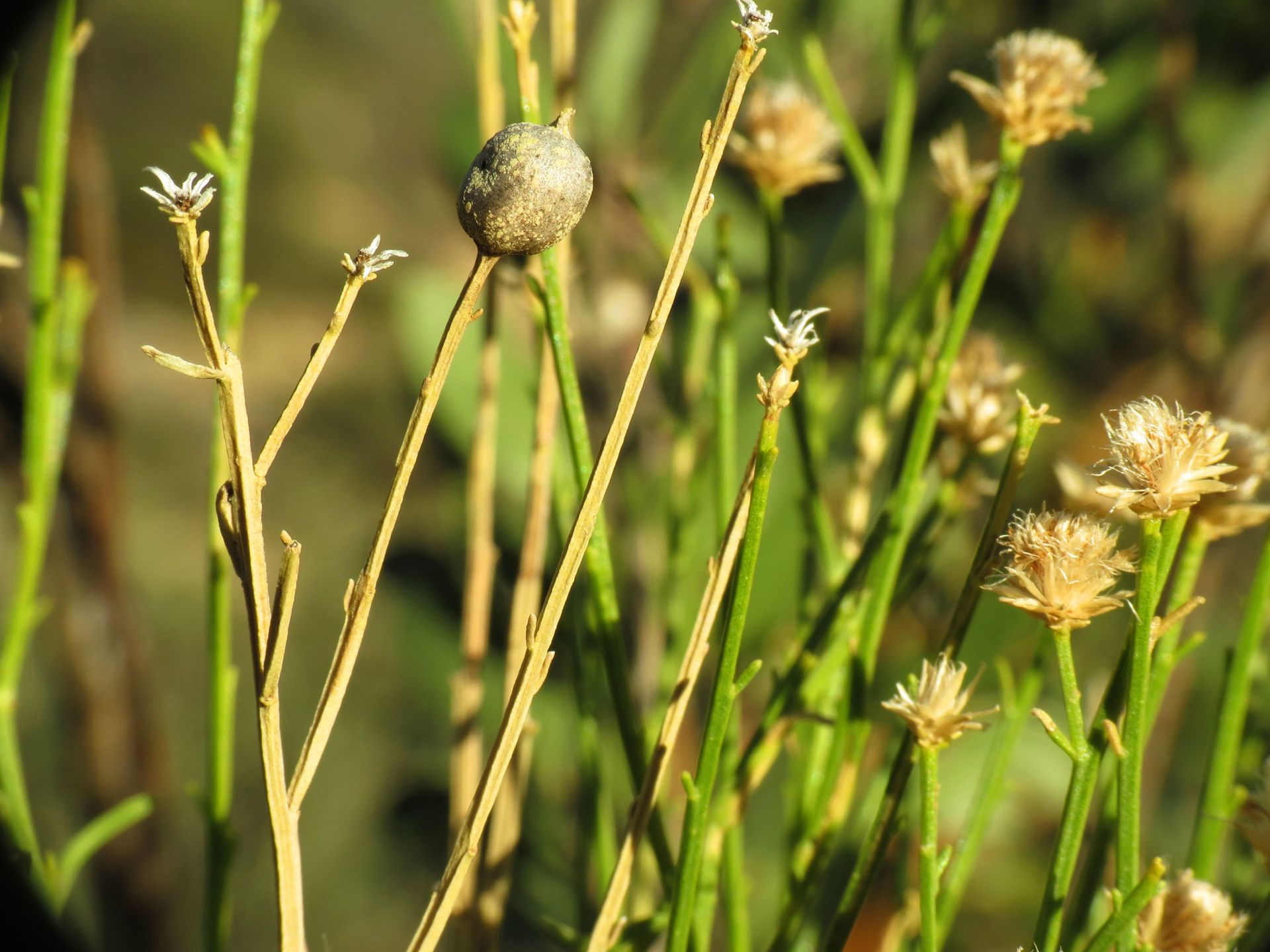
Aciurina thoracica is a fruit fly in the Tephritidae that induces galls on plants in the Baccharis. It is commonly known as the Desert Broom Gallfly. The has been studied in southern California where it develops on Baccharis sarothroides. Its geographic range extends across the southwestern United States and Mexico.
Pronunciation
How to pronounce Aciurina thoracica: //ˌæsɪˈʊrɪnə θoʊˈræsɪkə//
These audio files are automatically generated. While they are not always 100% accurate, they are a good starting point.
Identification
As a member of Aciurina, this can be distinguished from other tephritid fruit flies by its association with Baccharis plants and gall-inducing . Specific diagnostic morphological features for separating A. thoracica from are not documented in available sources.
Images
Habitat
Associated with Baccharis shrubs in arid and semi-arid regions. In southern California, has been documented on Baccharis sarothroides in coastal and inland areas.
Distribution
United States (southwestern states including California) and Mexico.
Host Associations
- Baccharis sarothroides - induces galls onDocumented in southern California; stages develop within galls
- Baccharis - induces galls on-level association reported
Life Cycle
Induces galls on plants; stages develop within galls. Specific details of , larval, and pupal stages require reference to the full 1993 study.
Behavior
Induces gall formation on plants. Gall induction is the primary documented .
Ecological Role
Forms galls on Baccharis shrubs, creating specialized microhabitats that may support other organisms. The ecological impacts of gall induction on plant are not documented in available sources.
Similar Taxa
- Other Aciurina species also induce galls on Baccharis; specific associations and geographic distribution may help distinguish
- Other gall-inducing TephritidaeMultiple tephritid induce galls on Asteraceae; association with Baccharis and morphological features of genus Aciurina help separate this
More Details
Research history
A 1993 study in Annals of the Entomological Society of America provided the first detailed description of stages and rearing methods for this . Full details of are contained in that publication.