
Tomoplagia obliqua
(Say, 1830)
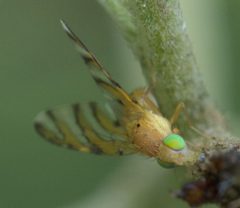
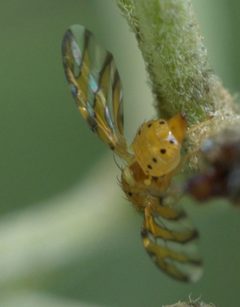
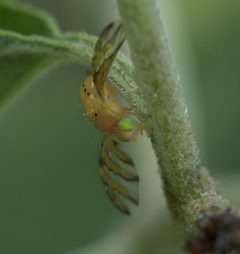
Tomoplagia obliqua is a of fruit fly in the Tephritidae, originally described by Thomas Say in 1830 under the basionym Trypeta obliqua. The species belongs to the Tephritinae and tribe Acrotaeniini. It is one of approximately 50 species in the Tomoplagia, which is primarily Neotropical in distribution.
Pronunciation
How to pronounce Tomoplagia obliqua: /toʊmoʊˈplæɡiə əˈblɪkwə/
These audio files are automatically generated. While they are not always 100% accurate, they are a good starting point.
Images
Distribution
United States, Rica, Bahamas, and Cuba. The has been documented in 213 iNaturalist observations.
More Details
Taxonomic History
Originally described as Trypeta obliqua by Thomas Say in 1830, the was later transferred to the Tomoplagia. The genus Tomoplagia was established by Loew in 1862 and currently contains approximately 50 species, predominantly distributed in the Neotropical region.
Data Availability
Detailed biological information for this appears limited in the accessible literature. Most available records are taxonomic in nature, with occurrence data from citizen science platforms and specimen databases. Specific information on , plants, and remains undocumented in the provided sources.
Sources and further reading
- BugGuide
- Wikipedia
- GBIF taxonomy match
- iNaturalist taxon
- NCBI Taxonomy
- Catalogue of Life
- Outstanding PBS Deep Look Video: 'Why Do Sunflowers Face the Sunrise?' | Bug Squad
- Does Sneezeweed Make You Sneeze? | Bug Squad
- To Control Lekking Fruit Flies, Male Size Matters (Except When it Doesn't)
- Up Close and Personal With Venomous Moths
- Bug Eric: Sunflower Extravaganza
- Bizarre, beautiful extremes | Beetles In The Bush