Toxonevra superba
(Loew, 1861)
Antlered Flutter Fly
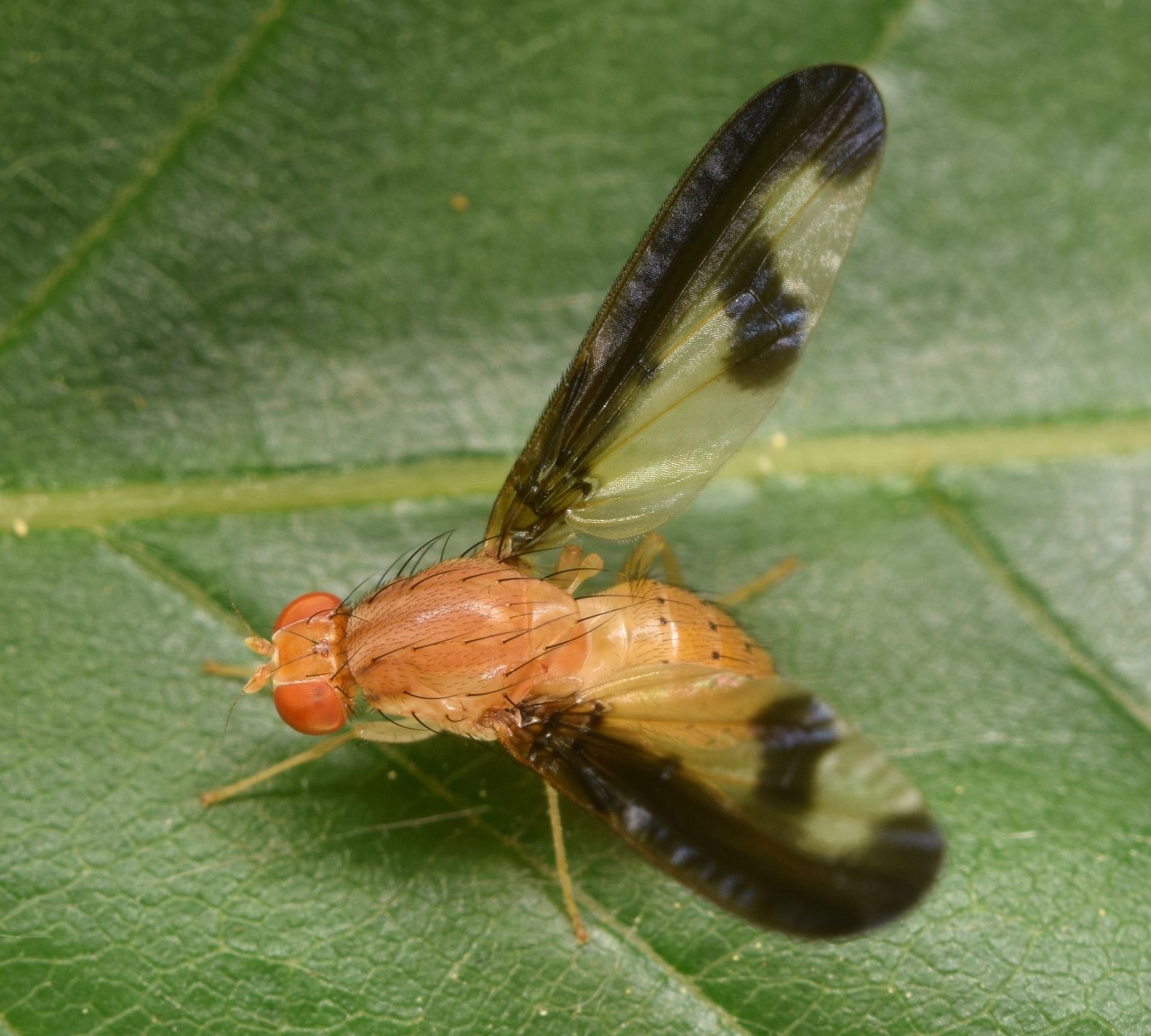
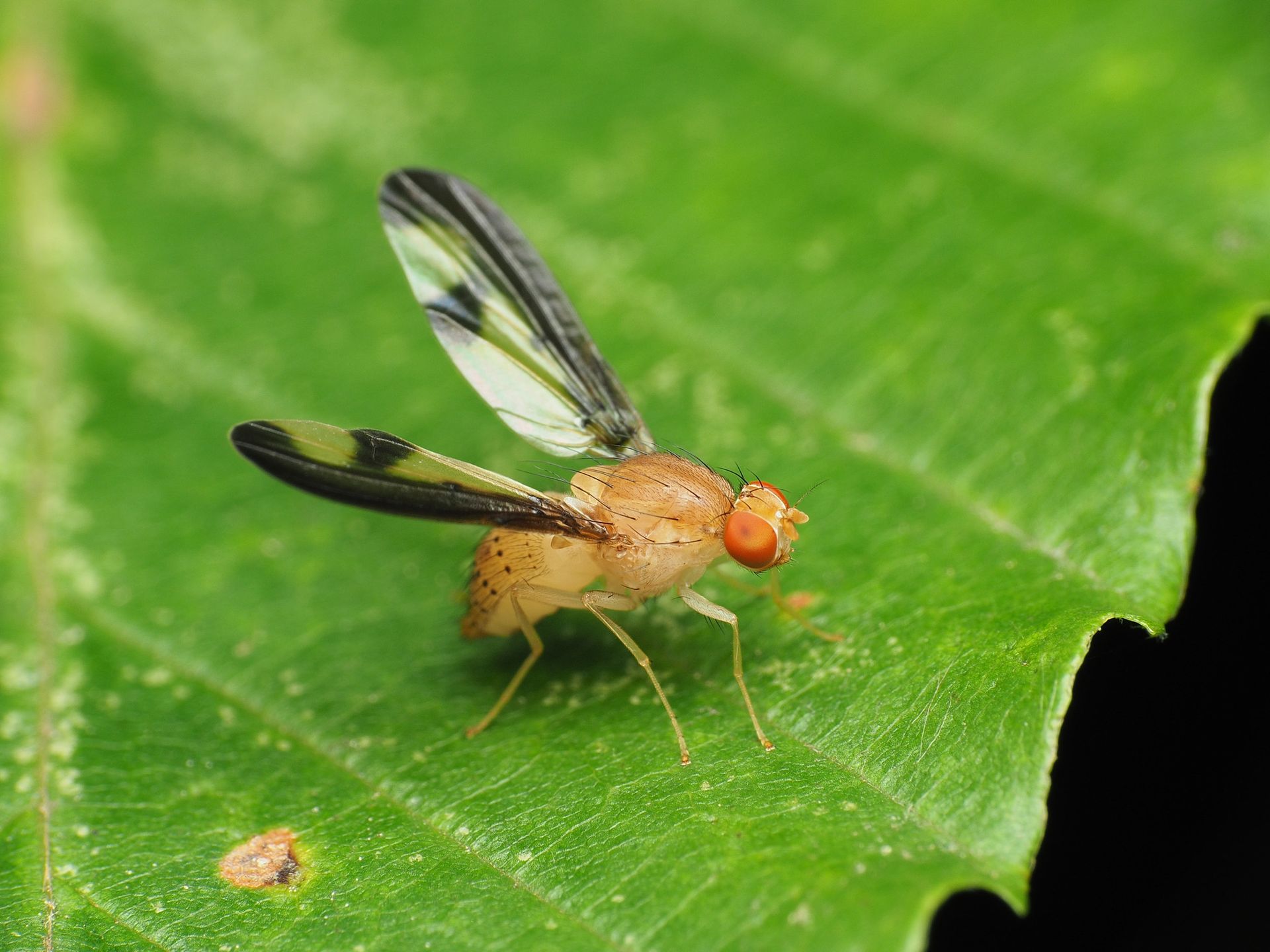
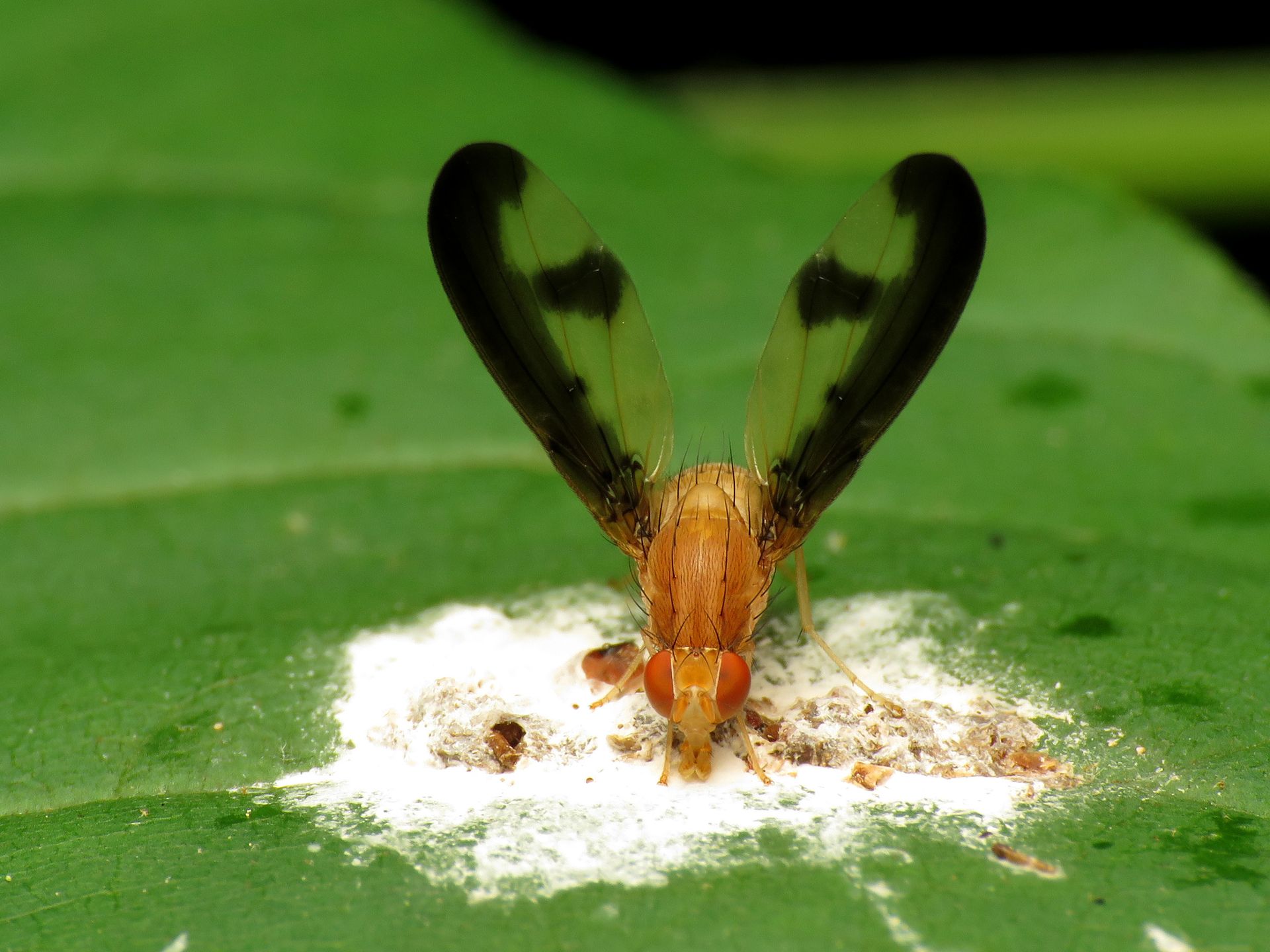
Toxonevra superba, commonly known as the antlered , is a of true fly in the Pallopteridae. The species was first described by Loew in 1861 under the basionym Palloptera superba. It is one of approximately 50 described species in the Toxonevra, which are characterized by their distinctive wing-flicking or "fluttering" . The "antlered" likely refers to distinctive or structures, though specific morphological details are not well-documented in available sources.
Pronunciation
How to pronounce Toxonevra superba: /tɒkˈsɒnɪvrə suːˈpɜːrbə/
These audio files are automatically generated. While they are not always 100% accurate, they are a good starting point.
Images
Distribution
Records indicate presence in the United States, specifically Vermont. The appears to have a North American distribution, though precise range boundaries are not well established in available literature.
Behavior
Members of the Pallopteridae are known for their characteristic wing-flicking or "fluttering" , which gives the group its of "flutter flies." This behavior involves rapid vibration or movement of the wings while the insect is perched or in short flight, though the specific function of this behavior in T. superba has not been studied.
More Details
Taxonomic History
Originally described as Palloptera superba by Loew in 1861, this was later transferred to the Toxonevra. The genus Toxonevra currently contains approximately 50 described species, though the Pallopteridae as a whole remains relatively understudied.
Observation Data
The has been documented in citizen science platforms, with over 1,600 observations recorded on iNaturalist, suggesting it is not exceptionally rare or cryptic, at least in portions of its range.