
Stonemyia fera
Williston, 1887
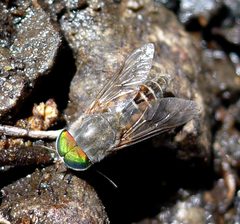
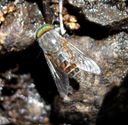
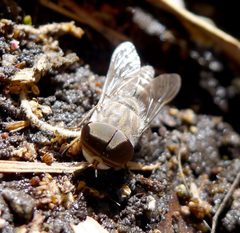
Stonemyia fera is a of horse fly in the Tabanidae, first described by Williston in 1887. It belongs to the Pangoniinae and tribe Pangoniini. The species is recorded from Canada and the United States. Like other horse flies, it is likely a biting fly with females requiring blood meals for development, though specific biological details remain poorly documented.
Pronunciation
How to pronounce Stonemyia fera: /stəˈnɛmiə ˈfɛra/
These audio files are automatically generated. While they are not always 100% accurate, they are a good starting point.
Identification
Stonemyia fera can be distinguished from other Tabanidae by its placement in the Stonemyia, which is characterized by specific morphological features within the Pangoniinae . Accurate identification to level requires examination of specimens, particularly wing venation patterns and genitalic structures. It may be confused with other Stonemyia species, necessitating comparison with or expert taxonomic keys.
Images
Distribution
Canada and the United States.
Human Relevance
As a member of Tabanidae, S. fera likely functions as a biting pest where abundant, though specific impacts on humans or livestock have not been documented. Female horse flies are known blood-feeders that can cause irritation and transmit , but no transmission by this has been reported.
Similar Taxa
- Other Stonemyia speciesCongeneric share the same -level morphological features and require detailed examination for separation.
- Other Pangoniinae horse fliesMembers of the same share general body plan and wing venation patterns, necessitating -level characters for identification.
More Details
Taxonomic note
The was described by Samuel Wendell Williston in 1887. The Stonemyia is part of the diverse horse fly fauna of North America, though it remains relatively understudied compared to economically important genera such as Tabanus.
Data deficiency
With only 7 observations recorded in iNaturalist as of the data cutoff, S. fera appears to be rarely encountered or underreported. This low observation count suggests either genuine rarity, restricted preferences, or lack of targeted survey effort.
Sources and further reading
- BugGuide
- Wikipedia
- GBIF taxonomy match
- iNaturalist taxon
- Catalogue of Life
- Architectural Structure of Collapsed Feral Bee Colony Saved for UC Davis Public Display | Bug Squad
- All Abuzz Over Feral Bees | Bug Squad
- The Look-at 'Cats | Bug Squad
- 'Killer Bees': Where Are They in California? | Bug Squad
- Africanized Bees: How Far North? | Bug Squad
- feral populations | Blog