
Chrysops hinei
Daecke, 1907
deer fly
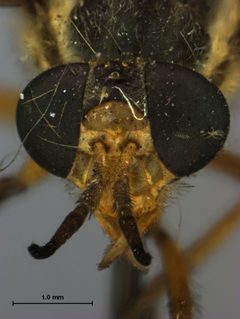
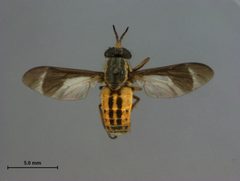
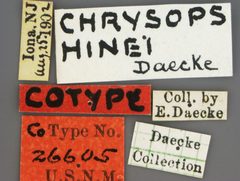
Chrysops hinei is a of deer fly in the Tabanidae, first described by Daecke in 1907. The species belongs to the Chrysops, a diverse group of biting flies commonly known as deer flies or yellow flies. As with other members of Tabanidae, females are blood-feeders while males feed on nectar and other sugary substances. The species is part of the Chrysopsinae, characterized by patterned wings and activity patterns.
Pronunciation
How to pronounce Chrysops hinei: /ˈkrɪsɒps ˈhaɪnaɪ/
These audio files are automatically generated. While they are not always 100% accurate, they are a good starting point.
Images
Distribution
The has been documented in North America based on limited iNaturalist observations (2 records). Specific geographic range details are not well established in available sources.
Diet
Human Relevance
Like other deer flies, Chrysops hinei females may bite humans, causing painful bites that can lead to localized swelling and irritation. Some Chrysops are of agents including and loiasis, though specific vector status for C. hinei is not documented.
Similar Taxa
- Chrysops callidusSimilar size and wing patterning; differentiation requires examination of abdominal coloration and leg markings
- Chrysops excitansOverlapping geographic range and similar preferences; distinguished by wing venation details
More Details
Taxonomic Status
Chrysops hinei is currently listed as an accepted in GBIF and iNaturalist, though Catalogue of Life marks it as a synonym. This discrepancy suggests ongoing taxonomic evaluation.
Data Deficiency
The is extremely poorly documented in scientific literature, with only 2 observations in iNaturalist and minimal published ecological or behavioral data.