
Chrysops geminatus
Wiedemann, 1828
Gemeni Deer Fly, Geminatus Deer Fly
Chrysops geminatus is a of deer fly in the Tabanidae, first described by Wiedemann in 1828. It is distributed across Canada and the United States, with confirmed records from Vermont and other parts of the eastern and central U.S. Like other deer flies, are known for their blood-feeding , with females requiring blood meals for development.
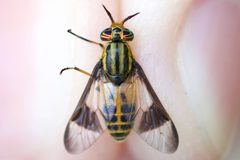
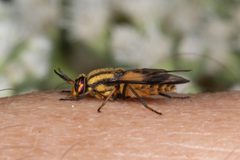
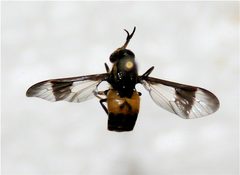
Pronunciation
How to pronounce Chrysops geminatus: //ˈkraɪˌsɒps ˌdʒɛmɪˈneɪtəs//
These audio files are automatically generated. While they are not always 100% accurate, they are a good starting point.
Images
Distribution
Canada and United States. Specific records include Vermont (US) and broader North American distribution spanning eastern and central regions.
Human Relevance
Females are blood-feeders and may bite humans, as noted in observations of Chrysops sp. deer flies. This can make them a nuisance in outdoor recreational areas.
More Details
Taxonomic Status
Chrysops geminatus Wiedemann, 1828 is currently accepted as a valid name, though Catalogue of Life lists it as a synonym. GBIF recognizes it as ACCEPTED with EXACT match type. The species is placed in Chrysopsinae, tribe Chrysopsini.
Observation Data
iNaturalist records 763 observations for this , indicating it is moderately well-documented by citizen scientists.