
Ocyptamus fuscipennis
(Say, 1823)
Dusky-winged Hover Fly
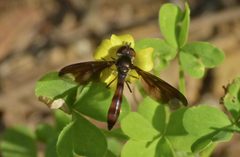
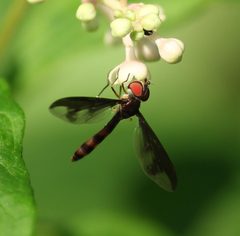
Ocyptamus fuscipennis is a syrphid fly commonly known as the Dusky-winged Hover Fly. It occurs throughout North America from Canada to Cuba. The species is notable for its predatory larvae, which have been documented feeding on aphids in citrus groves in Puerto Rico. are known to visit flowers, including Xyris tennesseensis.
Pronunciation
How to pronounce Ocyptamus fuscipennis: /oʊˈsɪptəməs ˌfjuːsɪˈpɛnɪs/
These audio files are automatically generated. While they are not always 100% accurate, they are a good starting point.
Images
Distribution
North America, including the United States (Vermont and elsewhere), Canada, and Cuba. Distribution records indicate presence in northern regions (Norway) and throughout the United States.
Diet
Larvae are predatory, feeding on aphids. In Puerto Rico, larvae prey on autumn cohorts of (citrus ).
Host Associations
- Toxoptera citricida - preylarval prey in Puerto Rico citrus groves
- Xyris tennesseensis - visited by flower visitation
Ecological Role
agent; larvae function as of pests in agricultural systems.
Human Relevance
Potential biocontrol agent for management in citrus production. may contribute to pollination through flower visitation.
Similar Taxa
- Pseudodoros clavatusSimilar -mimicking appearance and flower-visiting ; distinguished by wing venation and abdominal markings
- Baccha spp.Similar slender body form; Ocyptamus have at least faint dark wing markings while Baccha typically shows banded patterns
More Details
Taxonomic Note
Formerly classified in related ; the genus Ocyptamus has undergone taxonomic revision. in this genus are part of the diverse Syrphidae , which includes many -mimicking forms.
Observation Data
iNaturalist records indicate over 5,600 observations, suggesting this is a relatively common and well-documented .
Sources and further reading
- BugGuide
- Wikipedia
- GBIF taxonomy match
- iNaturalist taxon
- NCBI Taxonomy
- Catalogue of Life
- Encyrtid Holdings | Entomology Research Museum
- Buprestidae | Beetles In The Bush | Page 10
- Bug Eric: March 2011
- When is an ant not an ant? When it’s a jumping spider, of course! | Beetles In The Bush
- jewel beetles | Beetles In The Bush | Page 9
- Bizarre, beautiful extremes | Beetles In The Bush