Meliscaeva cinctella
(Zetterstedt, 1843)
Banded Thintail
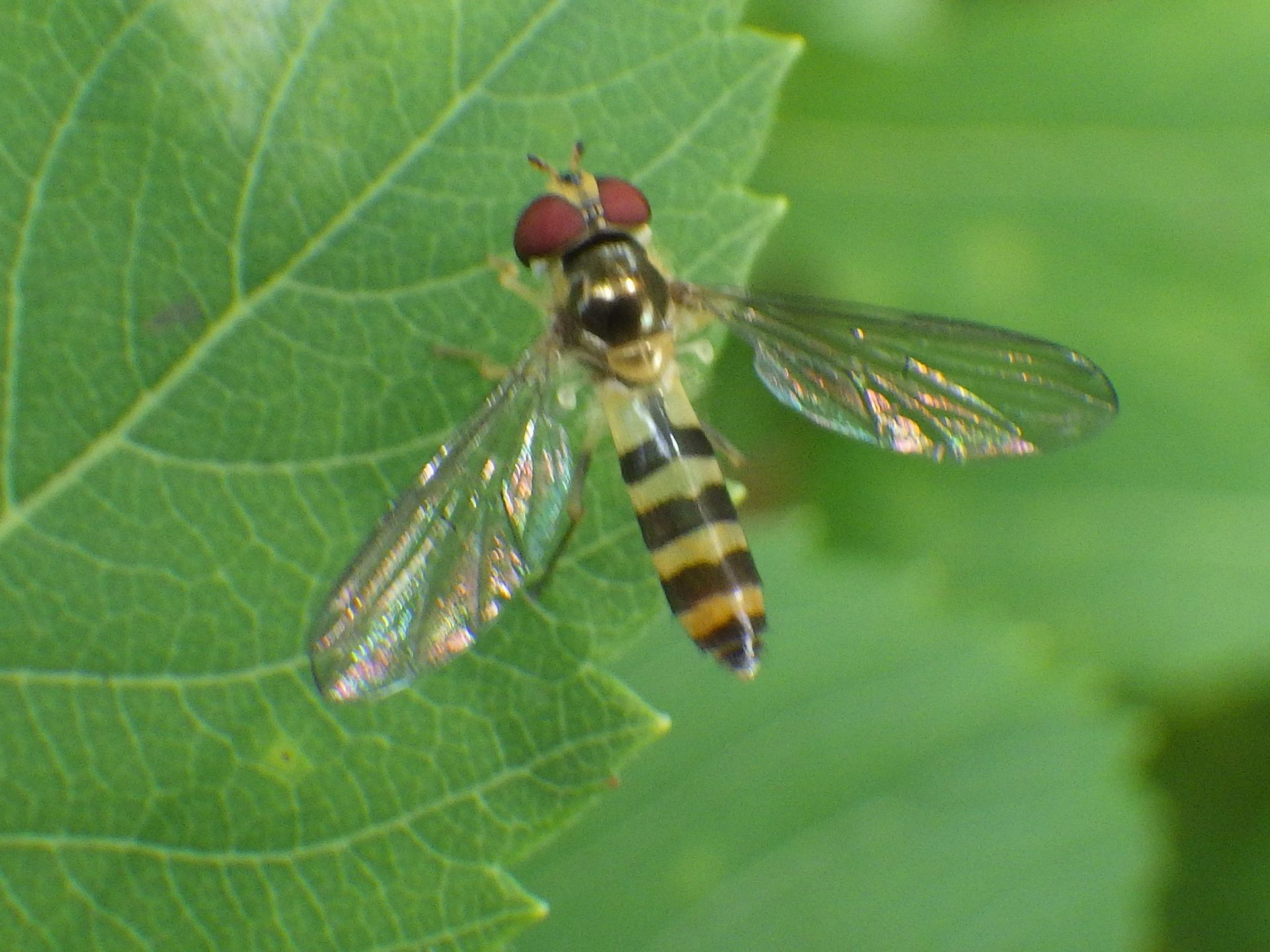
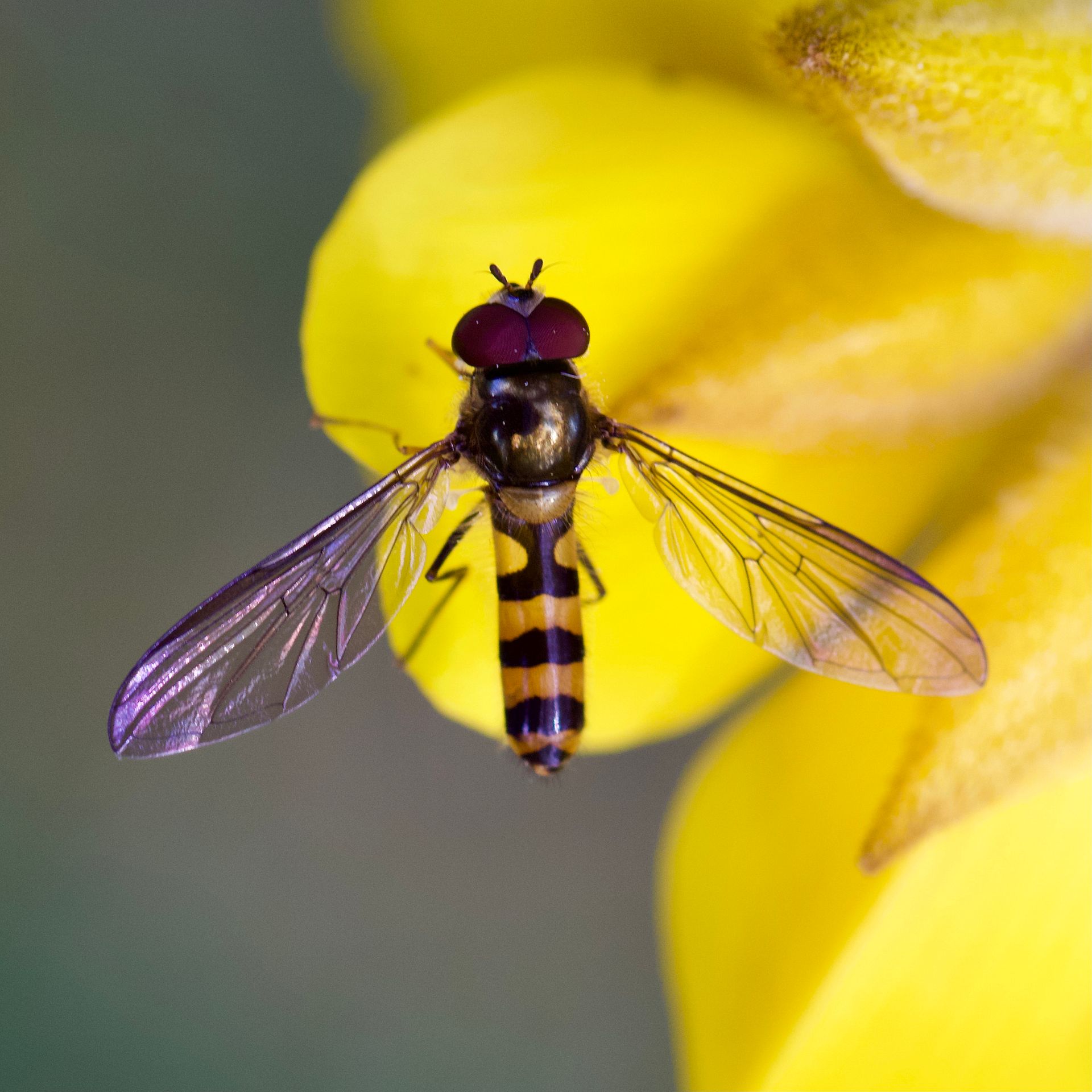
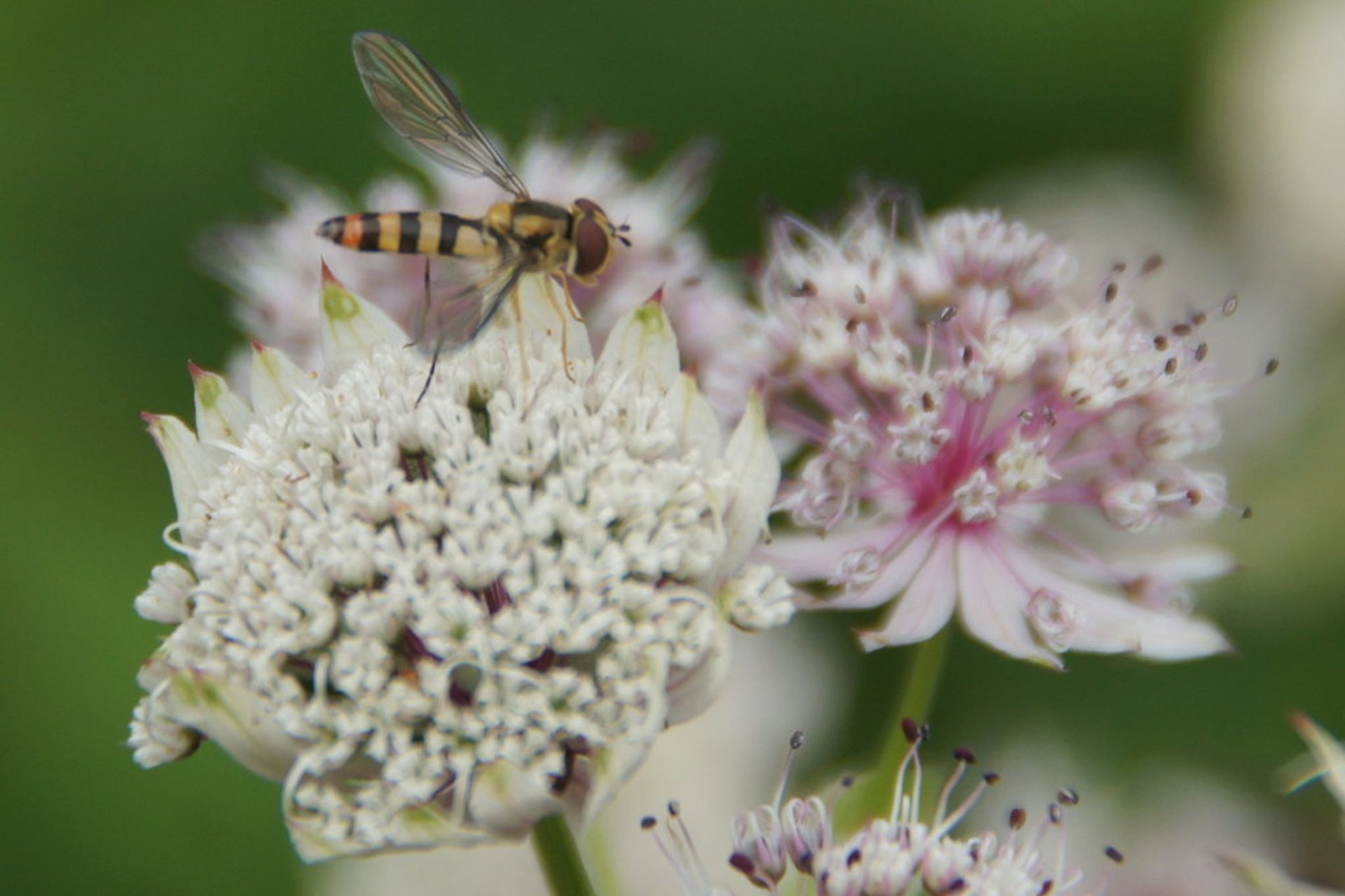
Meliscaeva cinctella is a Holarctic hoverfly with an elongated body and distinctive yellow abdominal banding. It occurs across a wide range from Fennoscandia to the Pacific coast in the Palearctic, and from Alaska to California in the Nearctic. The species is active from April to September and has been observed visiting numerous flowering plants.
Pronunciation
How to pronounce Meliscaeva cinctella: /mɛˈlɪskæɛvə sɪŋkˈtɛlə/
These audio files are automatically generated. While they are not always 100% accurate, they are a good starting point.
Identification
Distinguished from similar hoverflies by the combination of an entirely yellow , black lunula with a black mark above it, and the specific pattern of yellow markings on tergites 2-4: tergite 2 has broad square yellow marks, while tergites 3 and 4 have broad yellow bands that reach the abdominal margin and feature small pointed projections. The narrow rectangular alula is also diagnostic. See references for definitive determination.
Images
Habitat
Deciduous and coniferous forest, hedgerows, suburban gardens and parks.
Distribution
Holarctic: Palearctic from Fennoscandia south to Iberia and the Mediterranean basin, Ireland east through most of Europe, Turkey, European Russia, Siberia, Russian Far East to Pacific coast including Kuril Islands. Nearctic from Alaska south to California and Colorado.
Seasonality
period April to September.
Diet
feed on nectar from flowers including white umbellifers, Acer pseudoplatanus, Crataegus, Euphorbia, Ilex, Ligustrum, Lonicera periclymenum, Origanum vulgare, Polygonum cuspidatum, Potentilla erecta, Prunus spinosa, Ranunculus, Rhododendron, Rubus fruticosus, Rubus idaeus, Salix, Sambucus, Senecio jacobaea, Solidago virgaurea, Sorbus aucuparia, and Taraxacum. Larvae feed on aphids on bushes, shrubs, and trees.
Life Cycle
Larval stage feeds on aphids; stage active spring through summer. Specific details and stage not documented in sources.
Behavior
visit diverse flowering plants for nectar. Larvae are predatory on aphids.
Ecological Role
contribute to pollination through flower visitation. Larvae function as biocontrol agents, preying on aphids on woody vegetation.
Human Relevance
Beneficial due to larval on aphids and pollination services. Common in suburban gardens and parks where it contributes to natural pest control.