
Eosalpingogaster
Hull, 1949
Species Guides
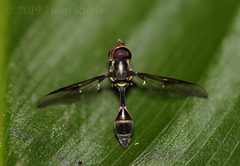
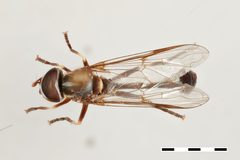
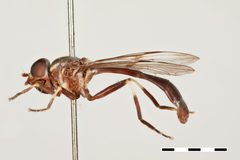
2Eosalpingogaster is a of flower flies (Syrphidae) established by Hull in 1949 and elevated to full generic status based on , biological data, and molecular . in this genus are specialized of carmine cochineal insects (Dactylopius spp., Dactylopiidae), which are the source of carminic acid used in red dyes. The genus includes multiple species, with two new species described in a 2011 revision.
Pronunciation
How to pronounce Eosalpingogaster: //iːoʊsælˌpɪŋɡoʊˈɡæstər//
These audio files are automatically generated. While they are not always 100% accurate, they are a good starting point.
Images
Diet
of carmine cochineal insects (Dactylopius spp., Hemiptera: Dactylopiidae)
Host Associations
- Dactylopius spp. - preycarmine cochineal insects (Hemiptera: Dactylopiidae), source of carminic acid
Behavior
on carmine cochineal insects
Ecological Role
agent of carmine cochineal
Human Relevance
Potential of cochineal pests; the prey are commercially harvested for carminic acid production
More Details
Taxonomic revision
A 2011 revision by Rotheray et al. elevated Eosalpingogaster to full generic status, described two new (E. knutsoni and E. umbra), proposed three new synonyms, and designated two lectotypes. The revision was based on morphological characters, biological data, and phylogenetic analysis of 28S, 18S, and COI genes.
Data availability
All data, images, and drawings from the 2011 revision were made available online as an example of international standards for biodiversity informatics.