
Rhopalosyrphus
Giglio-Tos, 1891
Species Guides
2- Rhopalosyrphus guentherii(Hairy-bellied Squeezetail)
- Rhopalosyrphus ramulorum(Bare-bellied Squeezetail)
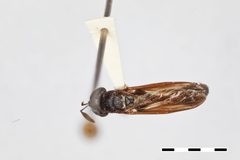
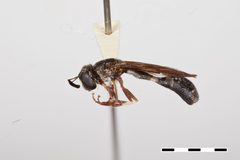
Rhopalosyrphus is a of hoverflies (Syrphidae) in the Microdontinae, comprising nine described . are mimics that resemble potter wasps in the genus Zethus. The genus is notable for its specialized larval : stages are of , an unusual feeding strategy within the . It occurs from the southern United States through Central and South America to northern Argentina.
Pronunciation
How to pronounce Rhopalosyrphus: //rɒˌpæl.oʊˈsɜr.fəs//
These audio files are automatically generated. While they are not always 100% accurate, they are a good starting point.
Identification
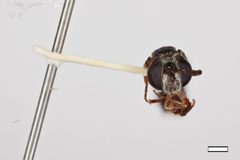
can be distinguished from other hoverfly by their striking resemblance to Zethus , including similar body proportions and color patterns. Separation from other microdontine genera requires examination of wing venation, facial structure, and male genitalia. Larvae are found within nests, making field identification of stages impractical without nest excavation.
Images
Appearance
exhibit mimicry with coloration and body form resembling potter wasps (Vespidae: Eumeninae). Specific morphological features distinguishing the include characteristics typical of Microdontinae, though detailed -level descriptions vary.
Habitat
Associated with environments supporting . Specific microhabitat preferences for are poorly documented.
Distribution
Native to the Americas, ranging from the southern United States through Central America and South America to northern Argentina.
Diet
Larvae are of (, larvae, and pupae). feeding habits are not documented in available sources.
Host Associations
- Zethus - mimicry model mimic the appearance of these potter wasps
- Ants - prey/Larvae prey upon within nests
Life Cycle
Larval development occurs within nests, where stages feed on ant . The complete including placement, site, and has not been fully described in published literature.
Behavior
exhibit of stinging . Larvae are specialized myrmecophiles that prey upon , representing an unusual predatory strategy among hoverflies.
Ecological Role
As of , larvae may influence ant colony dynamics and . likely contribute to pollination through nectar feeding, though this has not been quantified.
Human Relevance
No documented economic or medical importance. The is of scientific interest due to its specialized myrmecophilous and mimicry.
Similar Taxa
- Other Microdontinae generaShare characteristics including reduced mouthparts in larvae and association with social insects; distinguished by and specific relationships
- Zethus (Vespidae) Rhopalosyrphus are mimics of these ; true wasps have two pairs of wings, different wing venation, and a constricted waist absent in flies
More Details
Taxonomic history
The was described by Giglio-Tos in 1891. Recent revisions by Thompson (2003) and Reemer (2013) have expanded the genus from five to nine recognized , with some former species transferred into or synonymized with Rhopalosyrphus.