Tropidia albistylum
Macquart, 1847
Yellow-thighed Thickleg Fly, Yellow-thighed Thick-leg Fly
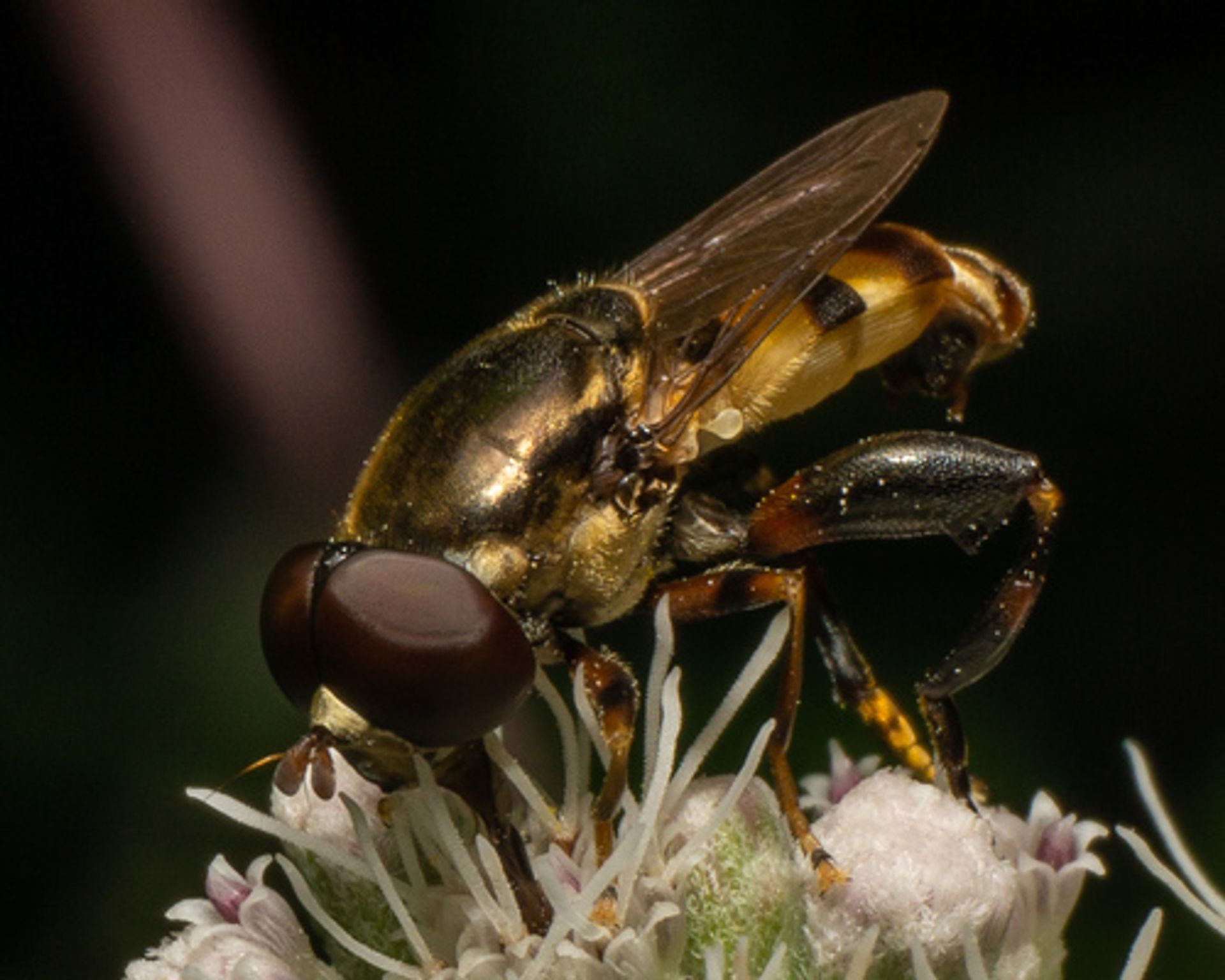
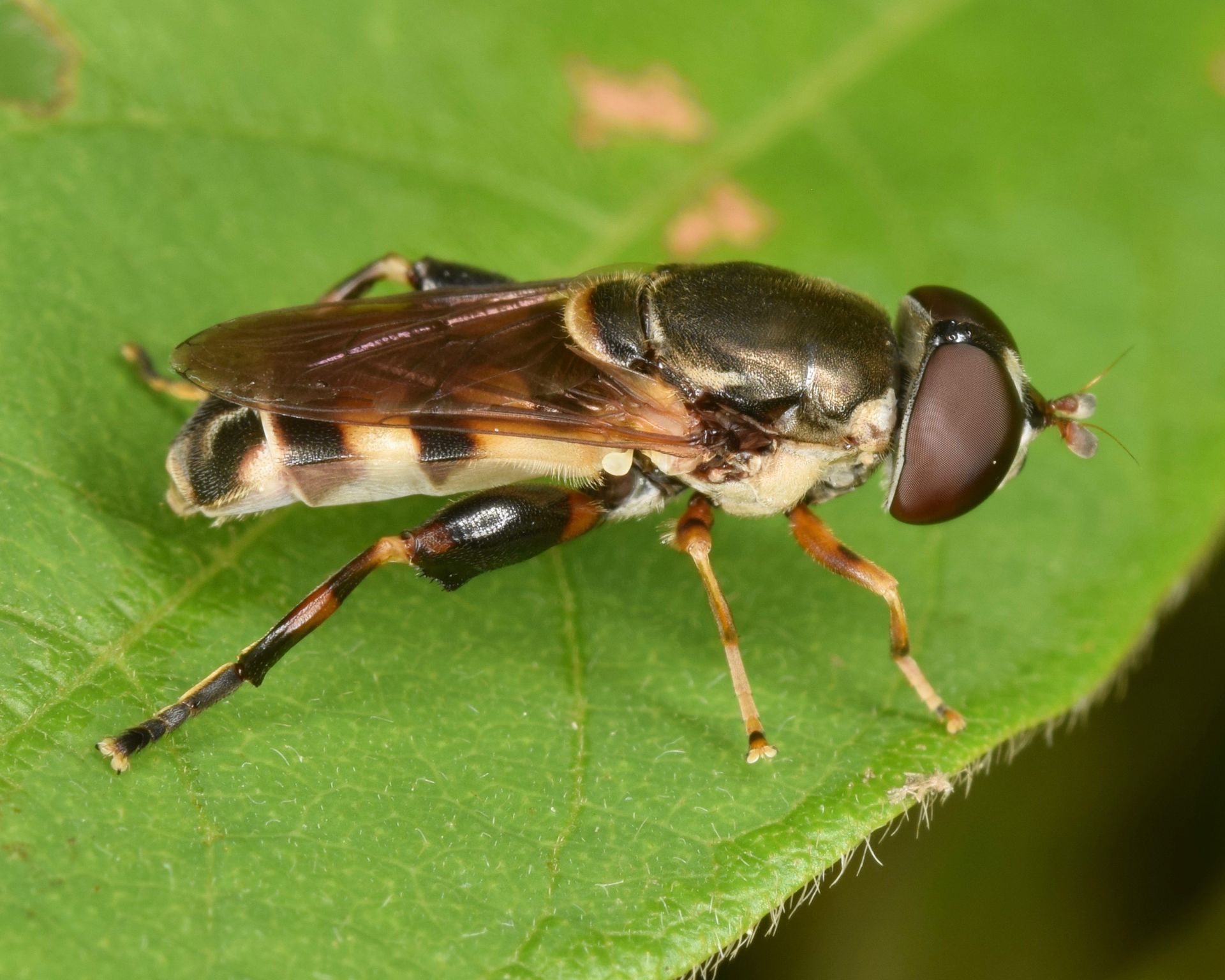
Tropidia albistylum is a rare of syrphid fly in the tribe Milesiini, commonly known as the Yellow-thighed Thickleg Fly. It is one of four Tropidia species found in Northeastern North America. are flower-visiting insects that obtain nectar and pollen from floral resources. The species has been documented across the eastern and central United States and was recently recorded in Canada for the first time.
Pronunciation
How to pronounce Tropidia albistylum: //trəˈpɪdiə ælˈbɪstɪləm//
These audio files are automatically generated. While they are not always 100% accurate, they are a good starting point.
Identification
The "Yellow-thighed Thickleg Fly" suggests distinctive yellow coloration on the thighs and thickened legs, though specific diagnostic features are not detailed in available sources. As a member of the Tropidia, it belongs to a small group of four in Northeastern North America, which may aid in narrowing identification to regional .
Images
Habitat
is briefly discussed in the primary literature but specific details are not provided in available abstracts. As a flower fly, it is associated with terrestrial where flowering plants occur. The has been recorded in institutional collections and citizen science observations across its range.
Distribution
Eastern and central United States, with records extending west to Nebraska. First documented in Canada with records in Norfolk County, Ontario. Distribution updated using institutional collection records and iNaturalist observations.
Diet
feed on nectar and pollen obtained from flowers. Larval diet is not documented in available sources.
Life Cycle
Larvae are aquatic, though specific details of larval development or are not documented in available sources.
Behavior
are commonly found on flowers. Like other hoverflies, they have been observed to remain nearly motionless in , though this specific has not been directly documented for this .
Ecological Role
As a flower-visiting syrphid fly, likely contributes to pollination of flowering plants. Aquatic larvae suggest a role in freshwater , though specific ecological functions are not documented.
Human Relevance
No documented economic or medical significance. Records from iNaturalist indicate it is subject to citizen science documentation.
Similar Taxa
- Other Tropidia species in Northeastern North AmericaThree other Tropidia occur in the same region; accurate identification requires examination of specific morphological features not detailed in available sources.
More Details
Taxonomic Note
Catalogue of Life lists this name as a synonym, though GBIF and other sources treat it as accepted. The was first described by Macquart in 1847.
Data Sources
Primary documentation includes the first Canadian records paper (Journal of the Entomological Society of Ontario, 2024) and 363 iNaturalist observations as of data compilation.