
Callicerini
Rondani, 1856
Genus Guides
1- Callicera(Pine Flies)
Callicerini is a small tribe of hoverflies ( Syrphidae) within the Eristalinae. It contains two : Callicera and Notiocheilosia. Members of this tribe are characterized by distinctive morphological features, particularly in the and facial structure. The tribe was established by Camillo Rondani in 1856.
Pronunciation
How to pronounce Callicerini: //kəˌlɪsəˈriːnaɪ//
These audio files are automatically generated. While they are not always 100% accurate, they are a good starting point.
Identification
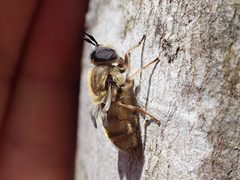
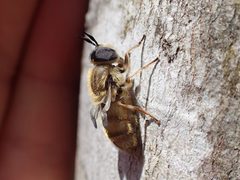
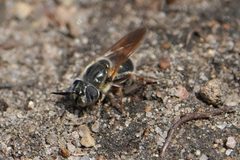
Callicerini can be distinguished from other hoverfly tribes by the presence of a prominent, elongated third antennal segment and a distinctive facial profile. The Callicera is particularly notable for its large size among hoverflies and striking metallic coloration. Notiocheilosia is distinguished by reduced wing venation and modified mouthparts.
Images
Distribution
Members of Callicerini have been documented across the Holarctic region, with Callicera occurring in both the Palearctic and Nearctic realms. Notiocheilosia is known from the Nearctic region.
Ecological Role
As with other hoverflies, Callicerini likely contribute to pollination of flowering plants. Larval stages of related Eristalinae are often associated with decaying organic matter, though specific larval for Callicerini remains poorly documented.
Similar Taxa
- EristaliniShares Eristalinae but lacks the elongated third antennal segment characteristic of Callicerini.
- SericomyiiniAnother tribe in Eristalinae with generally smaller body size and different antennal structure.
More Details
Taxonomic History
The tribe has been spelled both as Callicerini and Calliceratini in literature, with Callicerini being the accepted form following Rondani's original 1856 establishment.
Observational Data
iNaturalist records indicate 478 observations of this tribe, suggesting it is infrequently encountered relative to more common hoverfly tribes.