Sphegina flavimana
Malloch, 1922
Tuberculate Pufftail
Sphegina flavimana, commonly known as the Tuberculate Pufftail, is a syrphid fly first described by Malloch in 1922. are flower visitors that feed on nectar and pollen. The species is considered fairly common in its range. Larvae develop in decaying sap accumulations under bark in moist woodland environments.
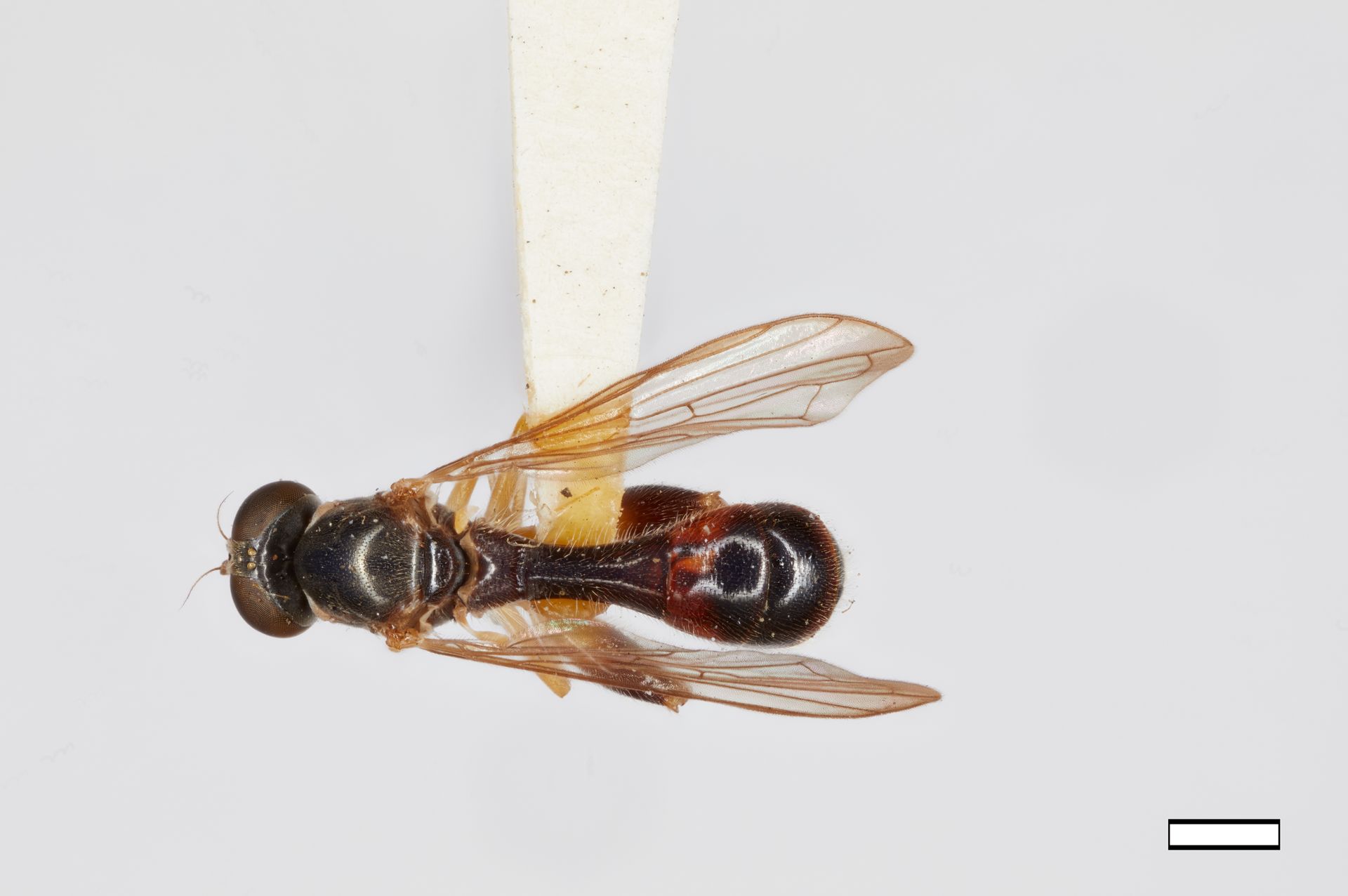
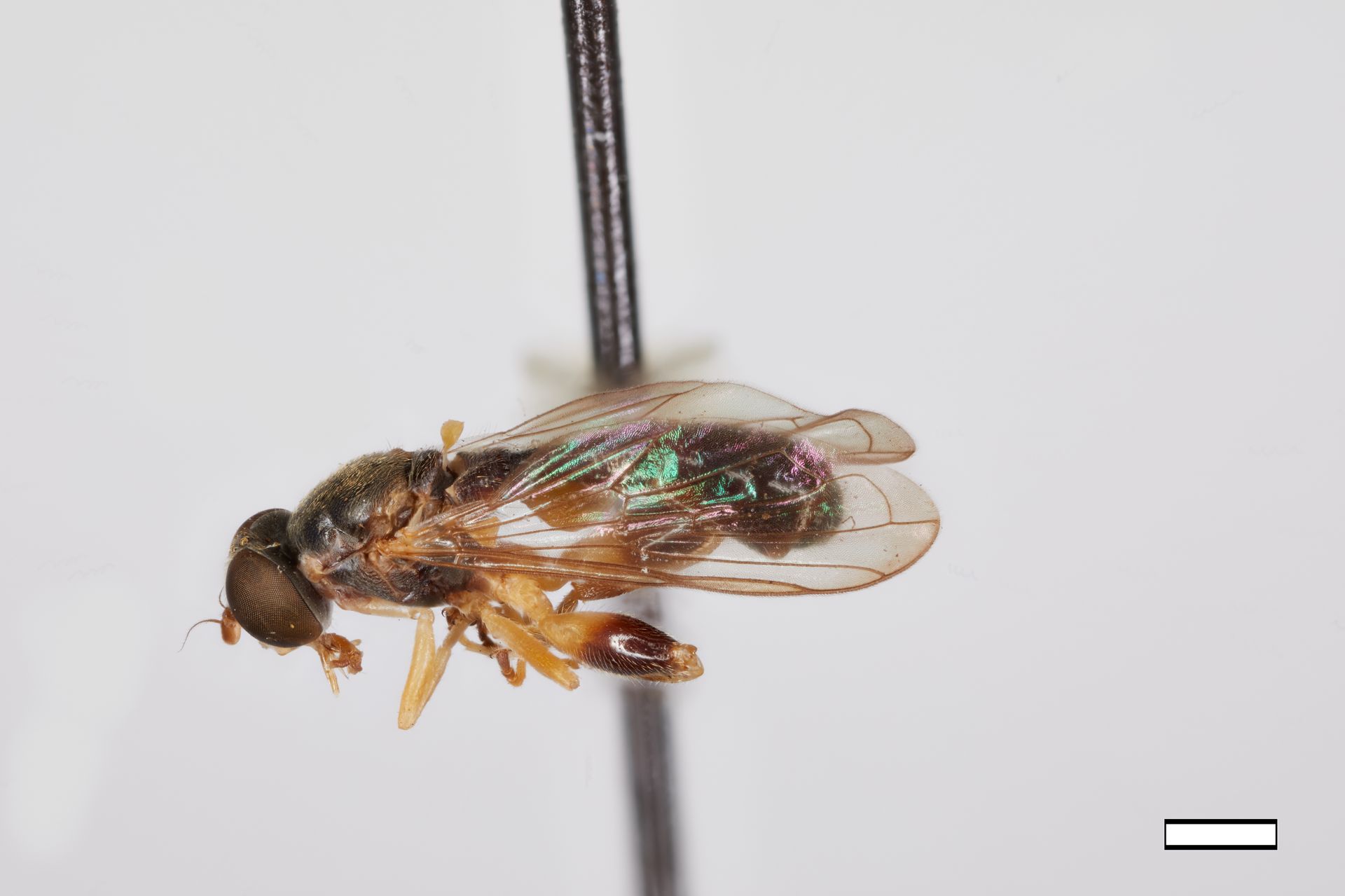
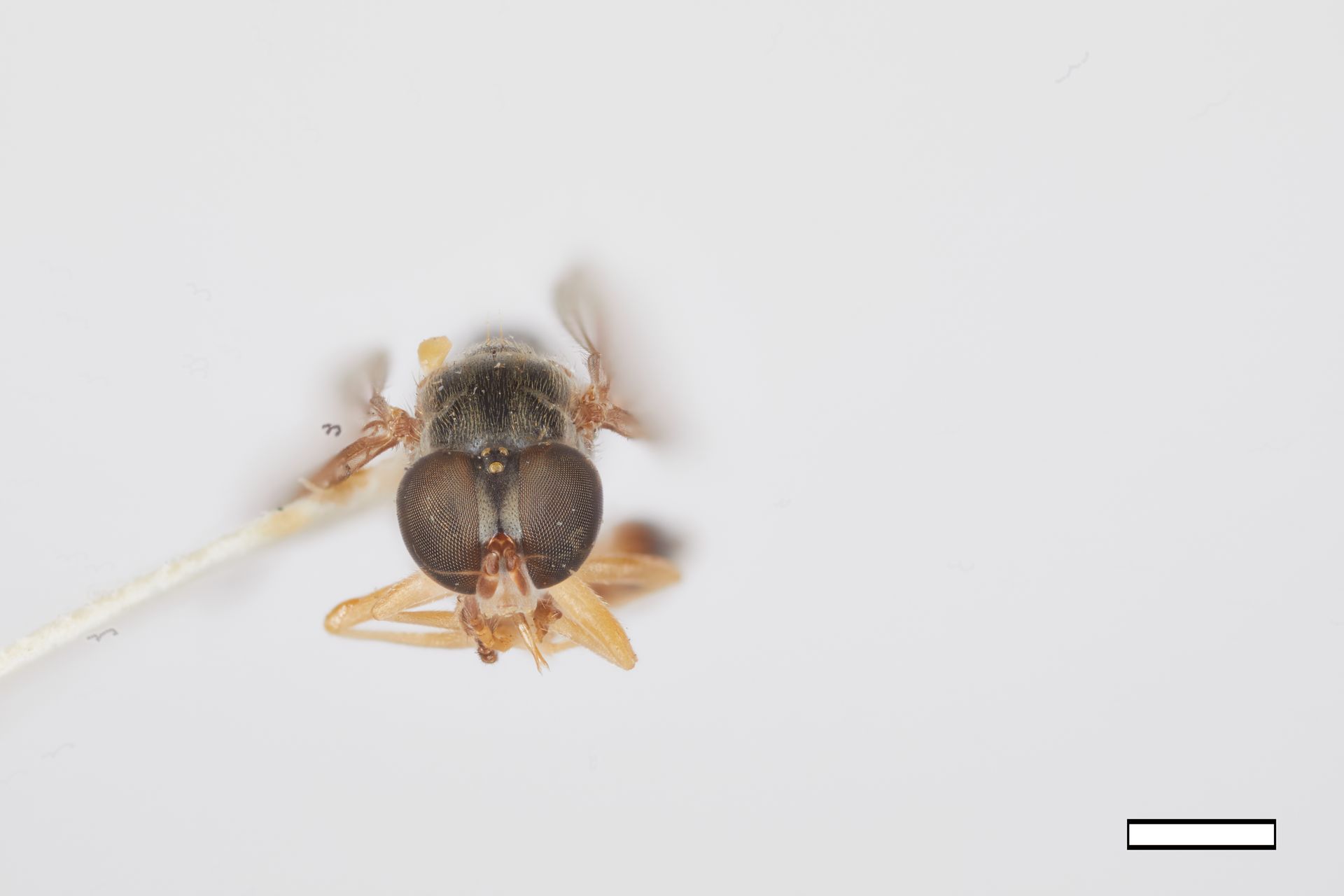
Pronunciation
How to pronounce Sphegina flavimana: /ˈsfɛɡɪnə flævɪˈmɑːnə/
These audio files are automatically generated. While they are not always 100% accurate, they are a good starting point.
Images
Habitat
Damp, shaded woodland. Larval specifically involves accumulations of decaying sap under bark, including partially submerged wood in streams and pools.
Distribution
Northeastern United States and Canada.
Diet
feed on nectar and pollen from flowers. Larval diet consists of decaying sap.
Life Cycle
Larvae develop in decaying sap under bark. Specific details of and are not documented.
Behavior
are commonly found on flowers. Like other syrphid flies, can remain nearly motionless in .
Ecological Role
may contribute to pollination through flower visitation. Larvae function as decomposers in decaying sap accumulations.
More Details
Larval microhabitat specificity
Larvae are restricted to very specific microhabitats: accumulations of decaying sap under bark in wet situations, including partially submerged wood in aquatic environments. This narrow distinguishes Sphegina from many other syrphid larvae.