
Coproica
Rondani, 1861
Species Guides
2- Coproica acutangula(lesser dung fly)
- Coproica ferruginata(lesser dung fly)
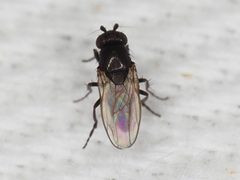
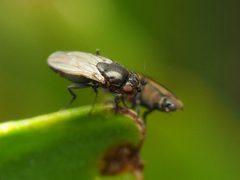
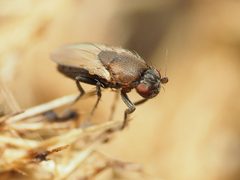
Coproica is a of small flies in the Sphaeroceridae (lesser dung flies), established by Rondani in 1861. The genus contains at least 20 described New World , organized into three major clades: the C. acutangula, C. vagans, and C. urbana species groups. Species-level relies heavily on male and female genitalic structures for identification. The genus has a broad distribution across the New World, with additional records from Europe and the Australasian/Oceanian regions.
Pronunciation
How to pronounce Coproica: //koʊˈproʊ.ɪ.kə//
These audio files are automatically generated. While they are not always 100% accurate, they are a good starting point.
Identification
Identification to requires examination of male and female genitalic structures. New World species are distinguished using morphological characters detailed in taxonomic keys. The is divided into three species groups (C. acutangula, C. vagans, and C. urbana) based on phylogenetic relationships. Coproica rufifrons has been confused with C. hirtula in regional faunas, requiring careful specimen examination for accurate determination.
Images
Distribution
New World (primary diversity center with 20+ described ); Europe (Denmark, Norway, Sweden); Australasian and Oceanian regions including Micronesia and Hawaii.
Similar Taxa
- C. hirtulaPreviously misidentified as C. rufifrons in Micronesian records; requires careful morphological examination to distinguish.
More Details
Taxonomic History
The New World fauna was comprehensively revised in 2015 based on over 17,000 examined specimens, resulting in description of eight new and redescriptions of eleven others.