
Bromeloecia
Spuler, 1923
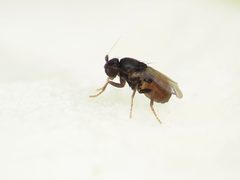
Bromeloecia is a of small flies in the Sphaeroceridae (lesser dung flies), first described by Spuler in 1923. The genus contains four described : B. bromeliarum, B. seltzeri, B. tarsiglossa, and B. winnemana. The genus name and the species epithet bromeliarum suggest an association with bromeliad plants, though specific ecological relationships remain poorly documented.
Pronunciation
How to pronounce Bromeloecia: /brɒməˈliːʃiə/
These audio files are automatically generated. While they are not always 100% accurate, they are a good starting point.
Identification
The Bromeloecia can be distinguished from other Limosininae by subtle morphological features of the male genitalia and leg structure, particularly the tarsal referenced in B. tarsiglossa. -level identification requires examination of male terminalia and is not feasible from external characters alone. The small size (typical for Sphaeroceridae, approximately 2–4 mm) and reduced wing venation place it within the , but definitive generic assignment requires taxonomic knowledge.
Images
Habitat
The epithet bromeliarum and name imply association with bromeliad plants (Bromeliaceae), which often form water-retaining leaf axils (phytotelmata) that support specialized insect . However, direct documentation for most species is sparse.
Distribution
Known from the Americas. Bromeloecia bromeliarum was described from Panama, B. winnemana from the southern United States (Texas), and B. seltzeri and B. tarsiglossa from Mexico. The likely has a broader Neotropical distribution than currently documented.
Host Associations
- Bromeliaceae - probable association name and epithet bromeliarum suggest larvae develop in bromeliad phytotelmata, but this has not been experimentally confirmed for most species.
Similar Taxa
- Other Limosininae generaMany small Sphaeroceridae share reduced wing venation and small body size; Bromeloecia is distinguished primarily by male genitalic and tarsal characters not visible in routine observation.
- LeptoceraA large and common in the same with overlapping size range and general habitus; requires dissection for reliable separation.
More Details
Taxonomic history
The was established by Spuler in 1923. Marshall (1983) revised the genus, describing two new Mexican (B. seltzeri and B. tarsiglossa) and clarifying the status of previously named . The authorship is sometimes cited as 1924, but 1923 is the correct original publication date.