
Eccoptomera
Loew, 1862
Species Guides
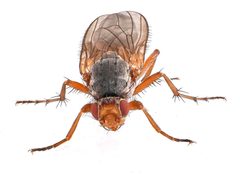
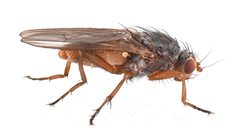
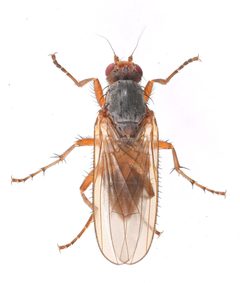
3Eccoptomera is a of small flies in the Heleomyzidae, first described by Loew in 1862. These flies belong to a family commonly known as 'sun flies' or 'heleomyzid flies,' which are often associated with decaying organic matter. The genus is documented from northern European countries including Denmark, Norway, and Sweden. As with many heleomyzid genera, detailed biological information remains limited.
Pronunciation
How to pronounce Eccoptomera: /ɛkˌkɒptoʊˈmɪrə/
These audio files are automatically generated. While they are not always 100% accurate, they are a good starting point.
Identification
Eccoptomera are small to minute flies with the general body plan typical of Heleomyzidae: slender build, relatively long legs, and reduced wing venation compared to larger dipteran . Specific diagnostic features for the require examination of male genitalia and detailed wing venation patterns. Separation from related genera such as Heleomyza and Suillia depends on subtle differences in chaetotaxy and genitalic structure.
Images
Habitat
Heleomyzidae members, including Eccoptomera, are generally found in with abundant decaying plant or fungal material. Specific microhabitat preferences for Eccoptomera have not been documented.
Distribution
Recorded from Denmark (DK), Norway (NO), and Sweden (SE) based on occurrence data. The appears to have a northern European distribution, though this may reflect limited sampling effort in other regions.
Ecological Role
As members of Heleomyzidae, Eccoptomera likely function as decomposers in forest and woodland , contributing to nutrient cycling through larval feeding on decaying organic substrates.
Similar Taxa
More Details
Taxonomic notes
The Eccoptomera was established by Hermann Loew in 1862. Heleomyzidae remains challenging due to morphological homogeneity among genera, and Eccoptomera has received limited modern taxonomic revision.
Research status
With only 99 iNaturalist observations and sparse literature records, Eccoptomera represents a poorly documented heleomyzid . Most -level identifications require examination and are not reliably achievable from photographs.