
Scoliocentra
Loew, 1862
Species Guides
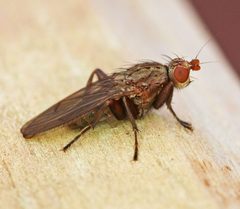
2Scoliocentra is a of flies in the Heleomyzidae, established by Loew in 1862. The genus comprises at least 40 described , with records from northern Europe (Denmark, Norway, Sweden) and North America (Vermont, United States). As members of Heleomyzidae, these flies are associated with decomposing organic matter, though specific ecological details for the genus remain limited.
Pronunciation
How to pronounce Scoliocentra: /ˌskoʊ.li.oʊˈsɛn.trə/
These audio files are automatically generated. While they are not always 100% accurate, they are a good starting point.
Identification
Scoliocentra are distinguished within Heleomyzidae by genitalic characters, particularly features of the male terminalia. External is generally consistent with small to medium-sized heleomyzid flies, but precise diagnostic traits require microscopic examination and comparison with related such as Heleomyza and Suillia.
Images
Distribution
Documented from northern Europe (Denmark, Norway, Sweden) and northeastern North America (Vermont, United States). The disjunct transatlantic distribution pattern suggests a broader Holarctic range, though additional records are needed to confirm full extent.
Ecological Role
As Heleomyzidae, larvae are likely associated with decaying plant matter, fungi, or other decomposing substrates, contributing to nutrient cycling. Specific ecological functions for Scoliocentra have not been documented separately from the level.
Similar Taxa
More Details
Taxonomic History
The was established by Hermann Loew in 1862. The substantial number of described (at least 40) indicates significant diversity, though many may be poorly characterized and in need of modern revision.