Lutomyia
Aldrich, 1922
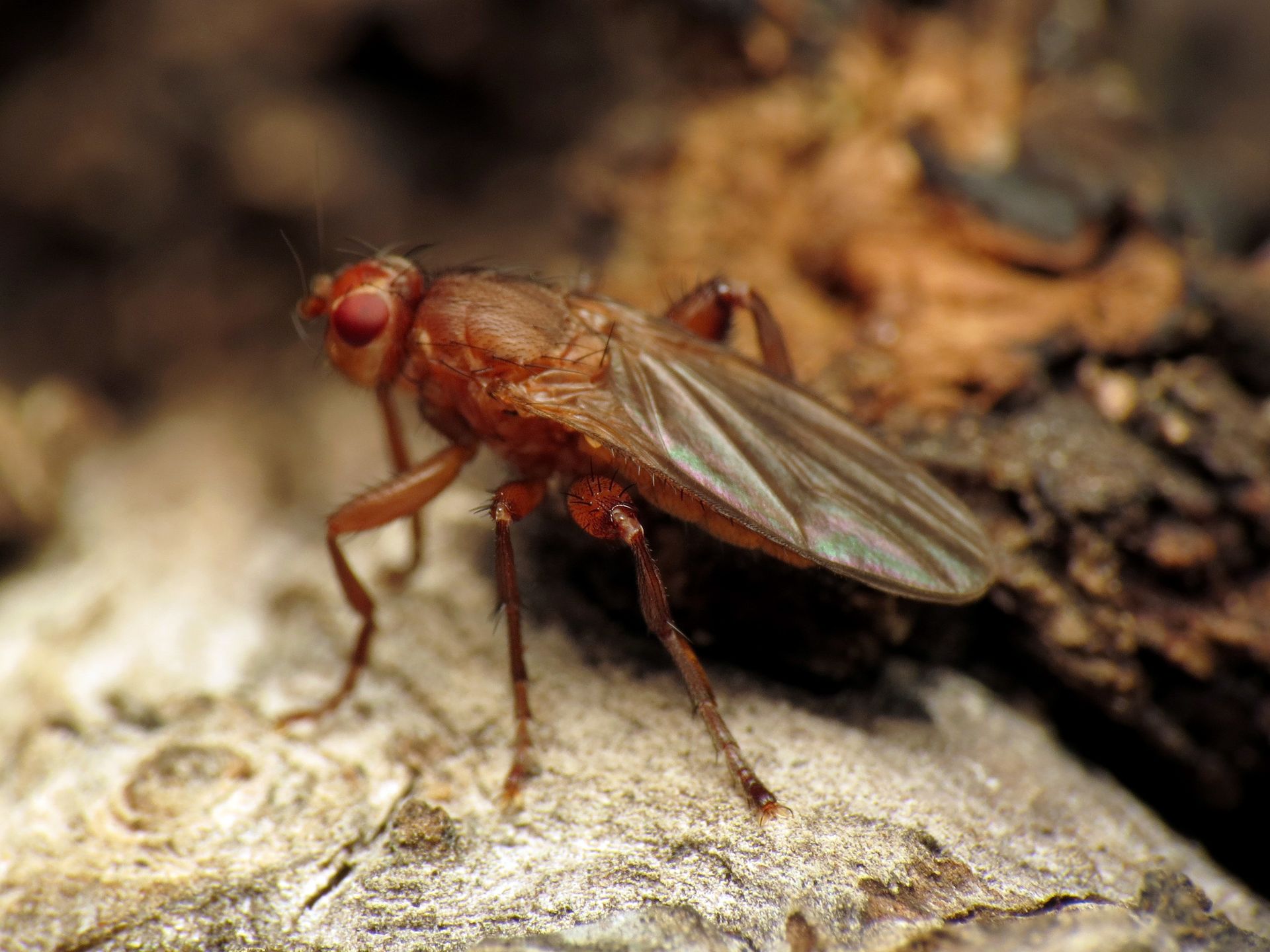
Lutomyia is a of small in the , established by Aldrich in 1922. These flies belong to the and are part of the diverse of heleomyzid flies, which are primarily or associated with decaying matter. The genus is poorly known, with limited -level documentation and few biological studies. Records indicate sparse observation data, with only 27 documented observations on iNaturalist as of the available data.
Pronunciation
How to pronounce Lutomyia: //luːtoʊˈmaɪə//
These audio files are automatically generated. While they are not always 100% accurate, they are a good starting point.
Identification
Lutomyia can be distinguished from other by genitalic characters, particularly male terminalia, which require microscopic examination. The lacks distinctive external morphological features that would allow reliable field identification. Separation from related genera such as Heleomyza and Suillia requires examination of patterns and details of the capsule, including the arrangement of orbital bristles.
Images
Distribution
Documented observations are sparse and scattered; precise geographic range is poorly defined. The has been recorded in North America based on taxonomic literature, but specific distribution data are limited by lack of comprehensive and identification effort.
Ecological Role
As members of , in this likely contribute to decomposition as , though this has not been directly documented for Lutomyia specifically.
Similar Taxa
More Details
Taxonomic obscurity
Lutomyia remains one of the least studied within , with most descriptions dating to the early 20th century and limited subsequent revisionary work.
Identification challenges
The is likely underrepresented in databases due to reliance on taxonomic knowledge for accurate identification; specimens are frequently misidentified or left at level.