
Anorostoma
Loew, 1862
Species Guides
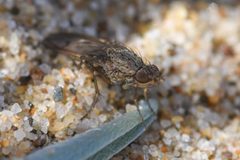
3Anorostoma is a of small flies in the Heleomyzidae, established by Loew in 1862. The genus contains approximately 17 described . Members of this family are commonly known as heleomyzid flies and are generally associated with decomposing organic matter.
Pronunciation
How to pronounce Anorostoma: //ænəˈroʊstoʊmə//
These audio files are automatically generated. While they are not always 100% accurate, they are a good starting point.
Identification
Anorostoma can be distinguished from related heleomyzid by subtle morphological features of the and wing venation, though specific diagnostic characters require examination of and detailed taxonomic keys. The genus is part of a characterized by small to medium-sized flies with reduced or modified chaetotaxy.
Images
Distribution
of Anorostoma have been recorded in North America and the Palearctic region, with observations concentrated in temperate zones. Specific distribution data for individual species within the remains limited in available sources.
Ecological Role
As members of Heleomyzidae, in this likely contribute to nutrient cycling through larval development in decaying organic substrates, though direct ecological studies of Anorostoma are not documented in available sources.
Similar Taxa
- HeleomyzaBoth are within Heleomyzidae with similar overall ; separation requires examination of capsule structure and thoracic bristle patterns.
- SuilliaAnother heleomyzid with convergent body plans; Suillia often have more pronounced facial projections and different wing ratios.
More Details
Taxonomic history
Anorostoma was erected by Hermann Loew in 1862 and has remained a relatively small with modest accumulation over the subsequent 160 years. The genus has not undergone major taxonomic revision in recent literature.
Research status
The is poorly represented in biological databases relative to its , with most known from original descriptions rather than modern systematic treatments. iNaturalist records suggest ongoing but limited contemporary observation.