
Paramormia
Enderlein, 1935
Species Guides
2Paramormia is a of moth flies (Psychodidae) established by Enderlein in 1935. The genus contains at least 13 described distributed across Europe, Asia, Africa, and North America. Species-level has been revised multiple times, with several species described by Krek (1971, 1972), Vaillant (1972, 1973), and Ježek (2004).
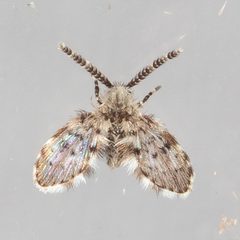
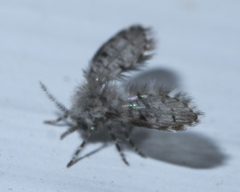
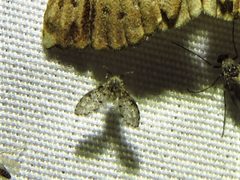
Pronunciation
How to pronounce Paramormia: /ˌpærəˈmɔrmiə/
These audio files are automatically generated. While they are not always 100% accurate, they are a good starting point.
Identification
Members of Paramormia can be distinguished from related in Psychodidae by genitalic characters, particularly features of the male hypandrium and parameres. Specific diagnostic traits vary among ; accurate identification generally requires examination of slide-mounted specimens and reference to original species descriptions.
Images
Distribution
Recorded from Europe, Asia, Africa, and North America. GBIF distribution records specifically document presence in Denmark, Norway, and Sweden.
Similar Taxa
- PsychodaBoth are of Psychodidae with -like appearance; Paramormia differs in male genitalic structure and wing venation details
- TelmatoscopusAnother psychodid with overlapping distribution; separation requires examination of genitalic
More Details
Species Diversity
The includes 13 accepted as of recent revisions, with the majority described in the late 20th and early 21st centuries. Several species were transferred from other genera or newly described by including Krek, Vaillant, and Ježek.
Taxonomic History
Paramormia was established by Günther Enderlein in 1935. The has undergone significant revision, with originally described under other generic names subsequently transferred to Paramormia.