Opomyza
Fallén, 1820
Species Guides
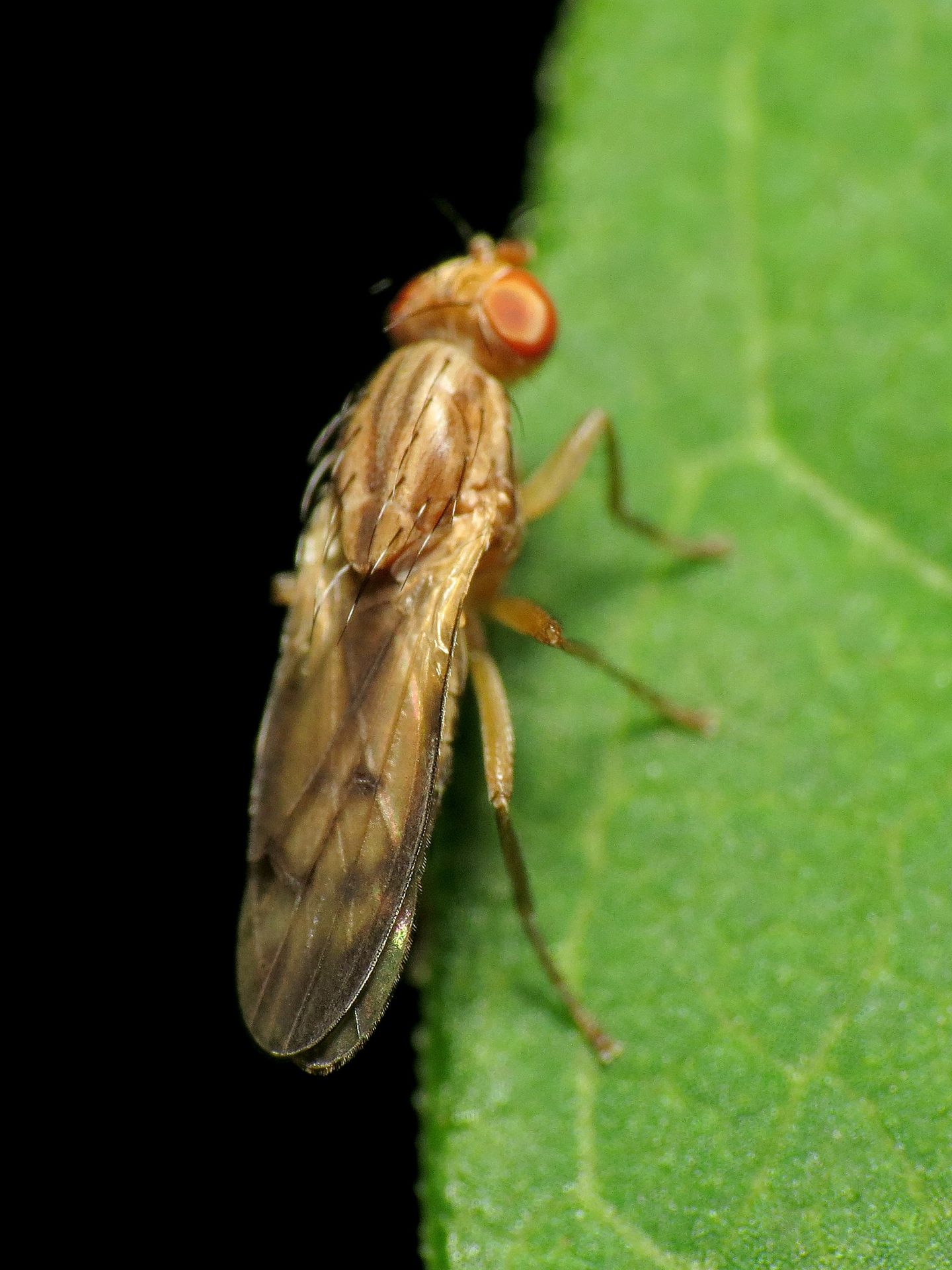
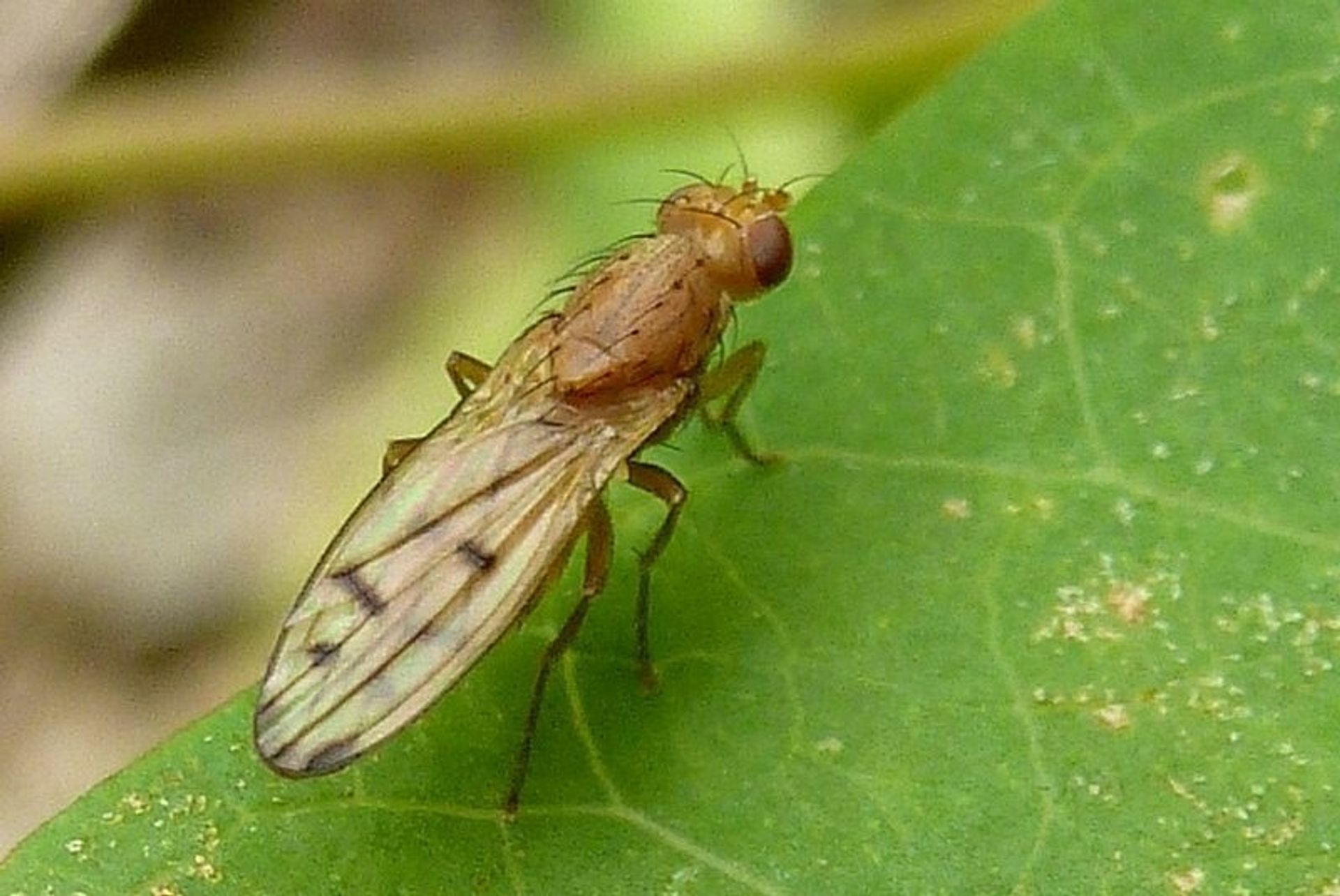
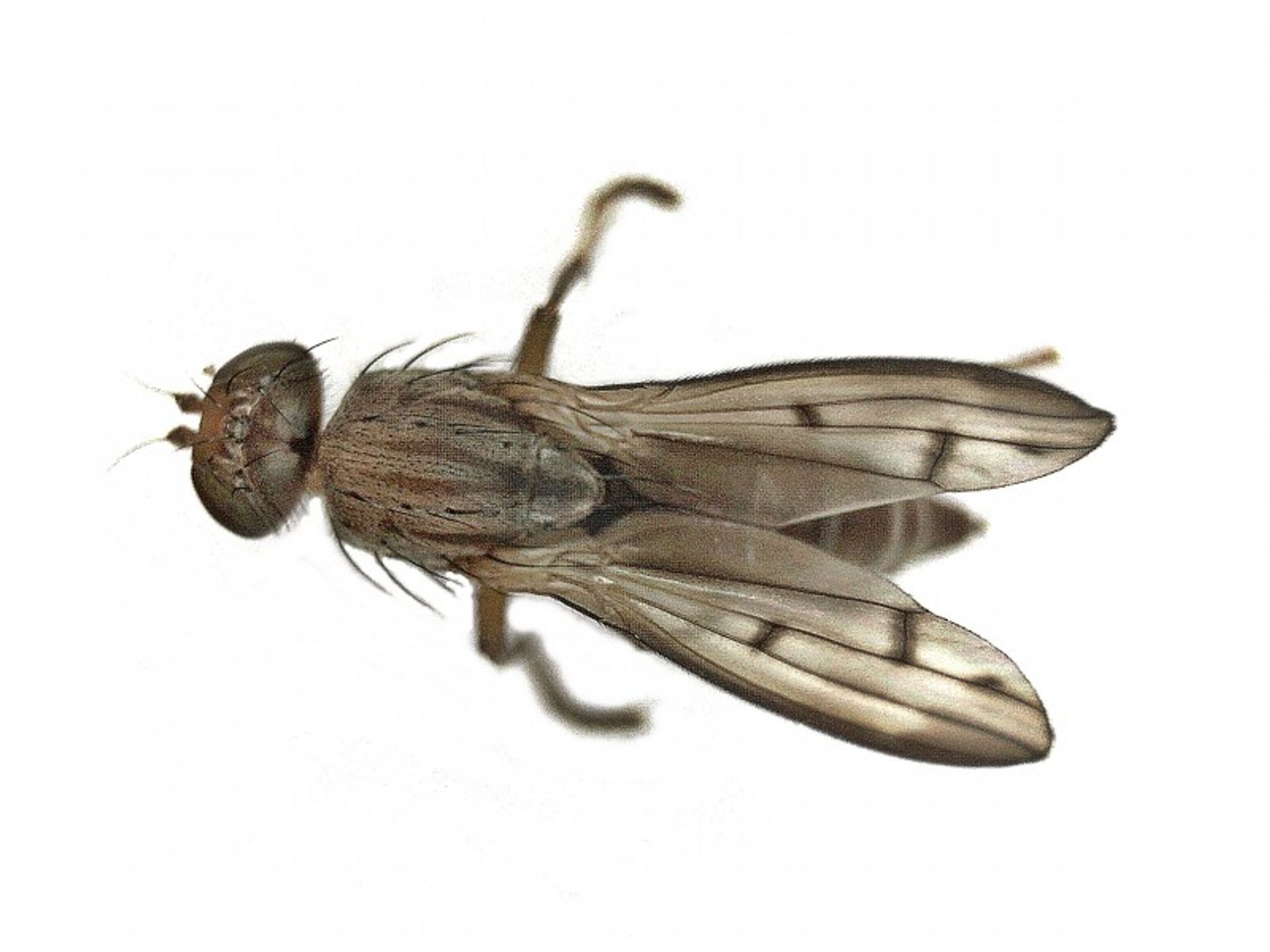
2Opomyza is a of acalyptrate flies in the Opomyzidae. in this genus are associated with grasses and cereal crops, where larvae develop as stem borers. Some species are recognized as agricultural pests, particularly of winter wheat. The genus has a Palearctic distribution with records from northern Europe.
Pronunciation
How to pronounce Opomyza: //ˌɒp.oʊˈmaɪ.zə//
These audio files are automatically generated. While they are not always 100% accurate, they are a good starting point.
Identification
Small acalyptrate flies. Separation from related in Opomyzidae requires examination of morphological characters such as chaetotaxy, wing venation, and male genitalia. Specific identification to level is difficult and typically requires examination.
Images
Habitat
Grassland and cereal crops, particularly winter wheat. Larval development occurs within stems of grasses and cereals.
Distribution
Palearctic; recorded from northern Europe including England, Sweden, and Norway.
Seasonality
active from May/June to October/November, with peak typically in July.
Host Associations
- grasses - larval primary for larval development; includes Lolium perenne, L. italicum, Dactylis glomerata, Festuca rubra, Poa trivialis, Cynosurus cristatus
- cereals - larval secondary including wheat, barley, oats; larval injury similar to that caused by Oscinella frith
Life Cycle
Three larval instars; occurs inside the plant near ground level. laid in soil at bases of grasses or cereals, or on plants near ground level.
Ecological Role
Stem borer; some are agricultural pests of cereal crops.
Human Relevance
Opomyza florum and O. germinationis are recognized as pests of winter wheat. levels can increase with early sowing and successive wheat crop .
Similar Taxa
- Oscinella frithLarval injury to cereals and grasses is similar; both are stem-boring flies in cereal crops. Opomyza are distinguished by morphological characters and .