
Epalpus
Rondani, 1850
Species Guides
3- Epalpus albomaculatus
- Epalpus rufipes
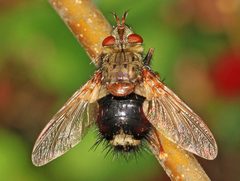
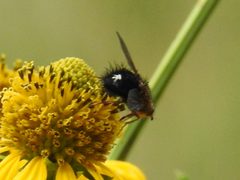
- Epalpus signifer(Early Tachinid Fly)
Epalpus is a of tachinid flies in the Tachinidae. The genus was established by Rondani in 1850 and contains approximately 50 described distributed primarily in the Americas. Species within this genus are , with larvae developing inside other insects. The genus is morphologically diverse, with many species exhibiting distinctive color patterns including yellow, orange, and black markings.

Pronunciation
How to pronounce Epalpus: /ɛˈpal.pus/
These audio files are automatically generated. While they are not always 100% accurate, they are a good starting point.
Identification
Epalpus can be distinguished from other Tachinidae by a combination of characters including the presence of a well-developed facial ridge with strong bristles, and characteristic wing venation patterns. Many species have conspicuously patterned with yellow or orange markings on a dark background. The genus is part of the tribe Tachinini, which can be separated from related tribes by features of the postabdomen in males and the structure of the terminalia.
Images
Distribution
The Epalpus is distributed primarily in the Americas, with records from North America (including Vermont, USA), Central America, and South America. Individual show varying geographic ranges, with some restricted to specific regions while others have broader distributions across multiple countries.
Life Cycle
As tachinid flies, Epalpus are . Females deposit or larvae on or near insects. The larvae develop internally within the host, eventually killing it. Specific host associations for most Epalpus species remain poorly documented.
Ecological Role
Epalpus function as of other insects, contributing to of their . Their ecological role is primarily as agents within their native , though specific host ranges and impacts are not well documented for most species.
Human Relevance
Epalpus signifer has been documented in citizen science observations during biodiversity surveys such as the City Nature Challenge, contributing to public engagement with insect diversity. The has no documented direct economic importance, but as part of the diverse tachinid fauna, may incidentally parasitize pest insects.
Similar Taxa
- TachinaBoth belong to tribe Tachinini and share general body plan, but Tachina typically lack the pronounced facial ridge bristles characteristic of Epalpus and often have different abdominal coloration patterns.
- EumeaAnother Tachinini with superficially similar appearance, but Eumea generally have different wing venation and male terminalia structure.
More Details
Taxonomic History
The was established by Camillo Rondani in 1850. Many were originally described in other genera and later transferred to Epalpus, contributing to a complex synonymy history. Species descriptions by Bischof (1904), Townsend (1914, 1929), and others expanded the genus significantly in the early 20th century.