
Gonia
Meigen, 1803
Cutworm Flies
Species Guides
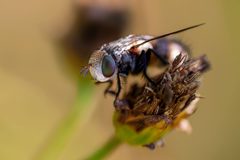
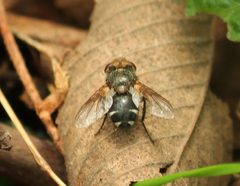
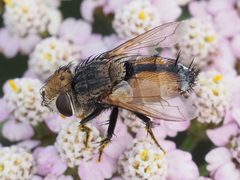
6Gonia is a of tachinid flies ( Tachinidae) established by Meigen in 1803. These flies are , with larvae developing inside other insects. The genus is placed in the Exoristinae and tribe Goniini. As with other tachinids, Gonia are likely important agents of various insect pests, though specific ecological details for the genus as a whole remain poorly documented in available sources.
Pronunciation
How to pronounce Gonia: /ˈɡoʊ.ni.ə/
These audio files are automatically generated. While they are not always 100% accurate, they are a good starting point.
Identification
Gonia can be distinguished from other tachinid by their placement in the tribe Goniini within Exoristinae. Specific diagnostic morphological characters for the genus require examination of specimens, including details of the , thoracic chaetotaxy, and male terminalia. Identification to species level typically requires taxonomic knowledge and reference to original descriptions and revisionary works.
Images
Distribution
Records from GBIF indicate presence in Denmark (DK), Norway (NO), and Sweden (SE). The likely has a broader distribution given the widespread nature of Tachinidae, but precise range limits require further documentation.
Ecological Role
As members of the Tachinidae, Gonia function as , with larvae developing inside and eventually killing insects. This makes them potential agents of various pest insects, though specific host records for the are not well-documented in available sources.
Human Relevance
Tachinid flies including Gonia may contribute to natural suppression of agricultural and forest pest . However, the is not specifically mentioned in applied literature, and no direct human uses or impacts are documented.
Similar Taxa
- Other Goniini generaMembers of the same tribe share phylogenetic affinities and likely similar , requiring careful morphological examination for distinction.
- Other Exoristinae genera-level characters overlap broadly; tribal and generic distinctions rely on subtle morphological differences in chaetotaxy and genitalia.
Sources and further reading
- BugGuide
- Wikipedia
- GBIF taxonomy match
- iNaturalist taxon
- NCBI Taxonomy
- Catalogue of Life
- Answers to ID Challenge #5 – Artrópodes em casca de árvore morta | Beetles In The Bush
- Brazil | Beetles In The Bush | Page 2
- immatures | Beetles In The Bush | Page 6
- Diplopoda | Beetles In The Bush
- Metabolic reprogramming and mitochondrial dysfunction underlie β gonia arrest and niche cell dysfunction in sterile triploid oysters.