Wagneria vernata
West, 1925
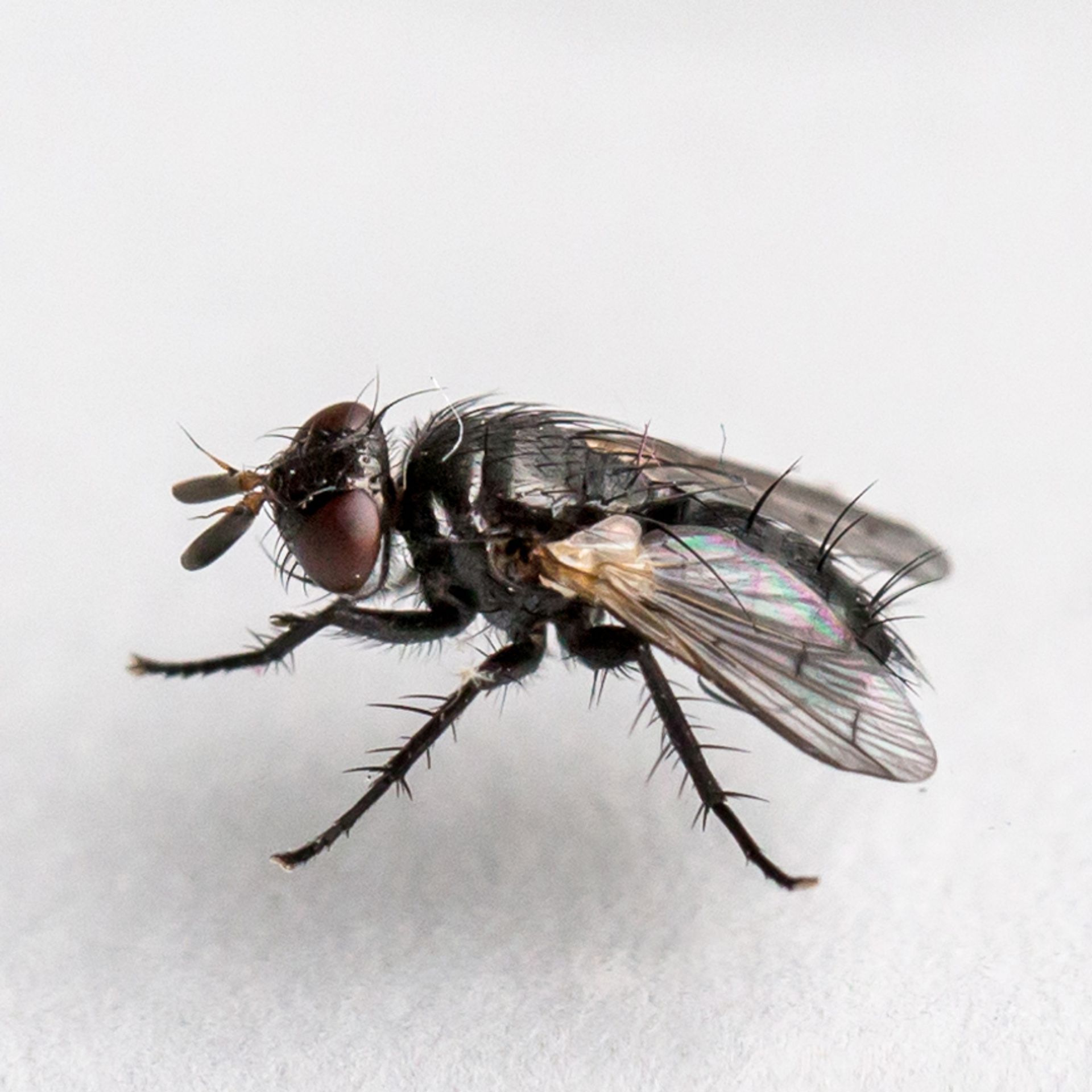
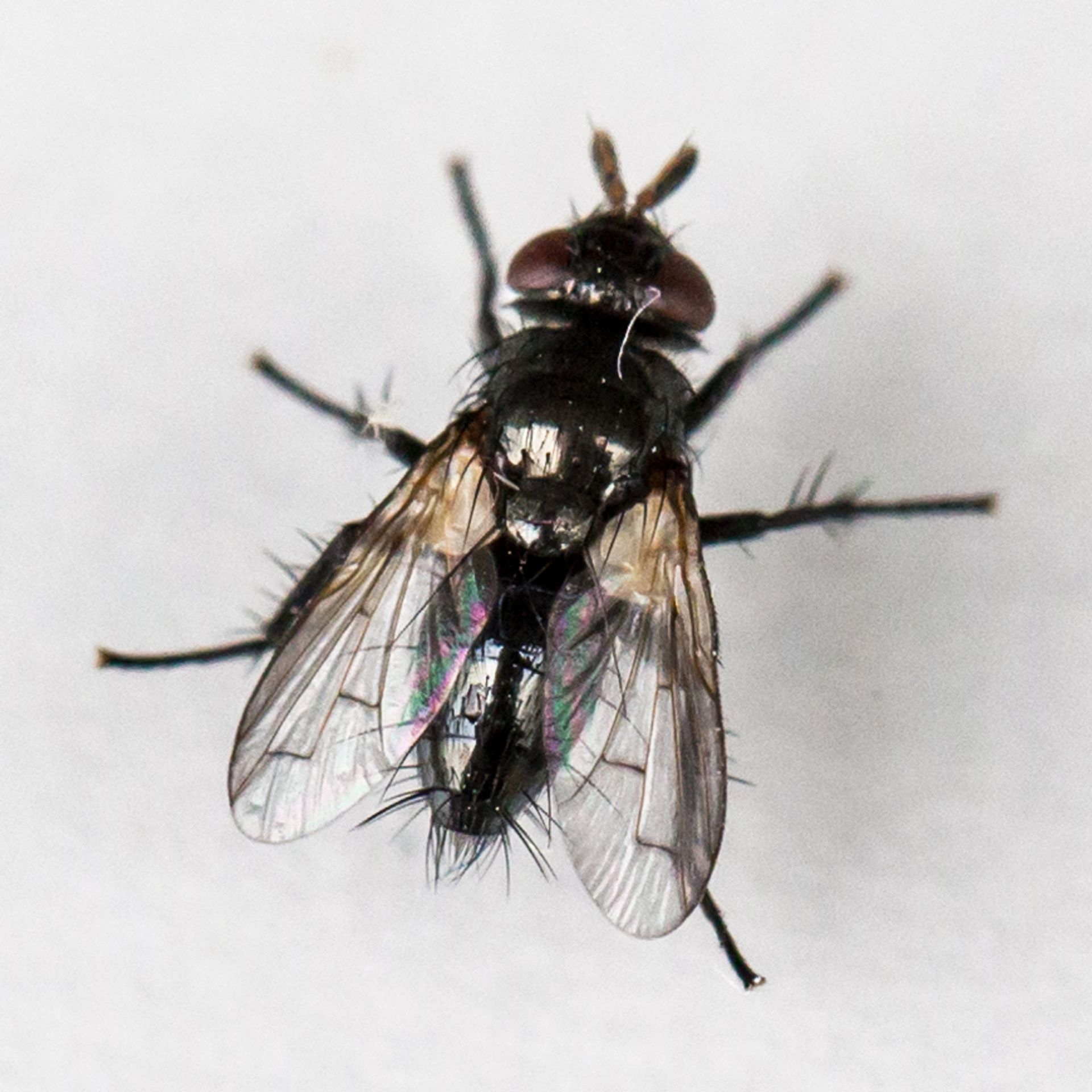
Wagneria vernata is a tachinid fly described by West in 1925. The epithet 'vernata' (from Latin 'vernus', meaning 'of spring') suggests seasonal activity in spring. As a member of Tachinidae, it is a fly, though specific relationships remain undocumented. The species has been recorded from Canada and the United States.
Pronunciation
How to pronounce Wagneria vernata: /ˈvag.ne.ria vɛrˈnaː.ta/
These audio files are automatically generated. While they are not always 100% accurate, they are a good starting point.
Identification
Distinguished from other Wagneria by specific morphological features established in the original description by West (1925). As a tachinid in the tribe Voriini, it shares the 's characteristic bristly body and typically robust build, though species-level diagnostic features require examination of or detailed taxonomic keys.
Images
Distribution
Canada; United States.
Seasonality
The epithet 'vernata' indicates spring activity; records suggest vernal pattern.
Ecological Role
As a tachinid fly, serves as a in terrestrial , though specific and ecological impacts are unrecorded.
Similar Taxa
- Other Wagneria speciesCongeneric share tribe Voriini characteristics and require detailed morphological examination for separation.