
Eutherini
Genus Guides
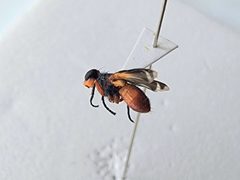
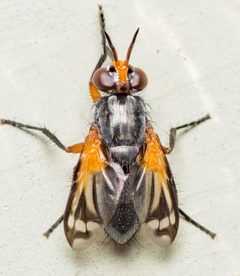
1Eutherini is a tribe of tachinid flies within the Dexiinae. The tribe contains two : Euthera Loew, 1854 and Redtenbacheria Schiner, 1861. Members are flies whose larvae develop inside other insects.
Pronunciation
How to pronounce Eutherini: /juːˈθɪrɪnaɪ/
These audio files are automatically generated. While they are not always 100% accurate, they are a good starting point.
Identification
Distinguishing Eutherini from other Dexiinae tribes requires examination of morphological characters, particularly features of the male terminalia and chaetotaxy. The tribe is characterized by specific combinations of bristle patterns and genitalic structures that separate it from related tribes such as Dexiini and Voriini.
Images
Distribution
The tribe has a broad distribution with records across multiple continents. The Euthera is primarily Palearctic, while Redtenbacheria has a more widespread distribution including Palearctic and Nearctic regions.
Diet
feed on nectar and other liquid sources. Larvae are that develop within insects.
Host Associations
- Lepidoptera - larval for Redtenbacheria include larvae
- Coleoptera - larval for Euthera include larvae
Life Cycle
Like other Tachinidae, Eutherini undergo complete with , larva, pupa, and stages. Females deposit eggs or larvae on or near . Larvae penetrate host tissues and develop internally, eventually killing the host before pupating.
Ecological Role
As , members of Eutherini contribute to of their insects. They function as agents in natural and may have applied value in managing pest Lepidoptera and Coleoptera.
Human Relevance
Potential value in of agricultural and forestry pests, though specific applications have not been widely documented.
Similar Taxa
More Details
Generic composition
The tribe contains only two : Euthera (approximately 10 described ) and Redtenbacheria (approximately 5 described species). Both genera are relatively small and understudied compared to larger tachinid tribes.
Taxonomic history
Eutherini has been consistently recognized as a distinct tribe within Dexiinae, though the classification of Tachinidae has undergone revisions. The tribal limits have remained relatively stable.